

Our Research
LBCS’s field research station on East Limestone Island allows visitors and local students to gain hands-on biological research experience in a wilderness setting. Our main focus is long-term ecological monitoring of the marine and terrestrial ecosystems in the Laskeek Bay area of Haida Gwaii.
East Limestone Island is located within the K’uuna Gwaii Conservancy, and we operate on East Limestone Island with permission Management Board.
Research methods are taught to volunteers and students by our field biologists and our work is guided by a Science Advisory Committee, headed by former Canadian Wildlife Service scientist Tony Gaston. Our data is published annually; the LBCS Field Season Summaries and science reports are available here.
LBCS monitors a wide range of species characteristic of local forests and waters, including marine and terrestrial birds, marine mammals, vegetation and invasive species. The field research station is active from May through July each year and our office in the Village of Skidegate operates year-round.
What We Study
Seabirds and Shorebirds
Ancient Murrelets
Marbled Murrelets
Cassin’s Auklets
Pigeon Guillemots
Black Oystercatchers
Glaucous-winged Gulls
Forest Birds
Cavity Nesters
Songbirds
Ravens
Birds of Prey
Introduced Species
We study the following introduced mammal species to find out how they interact with and change the native ecosystems:
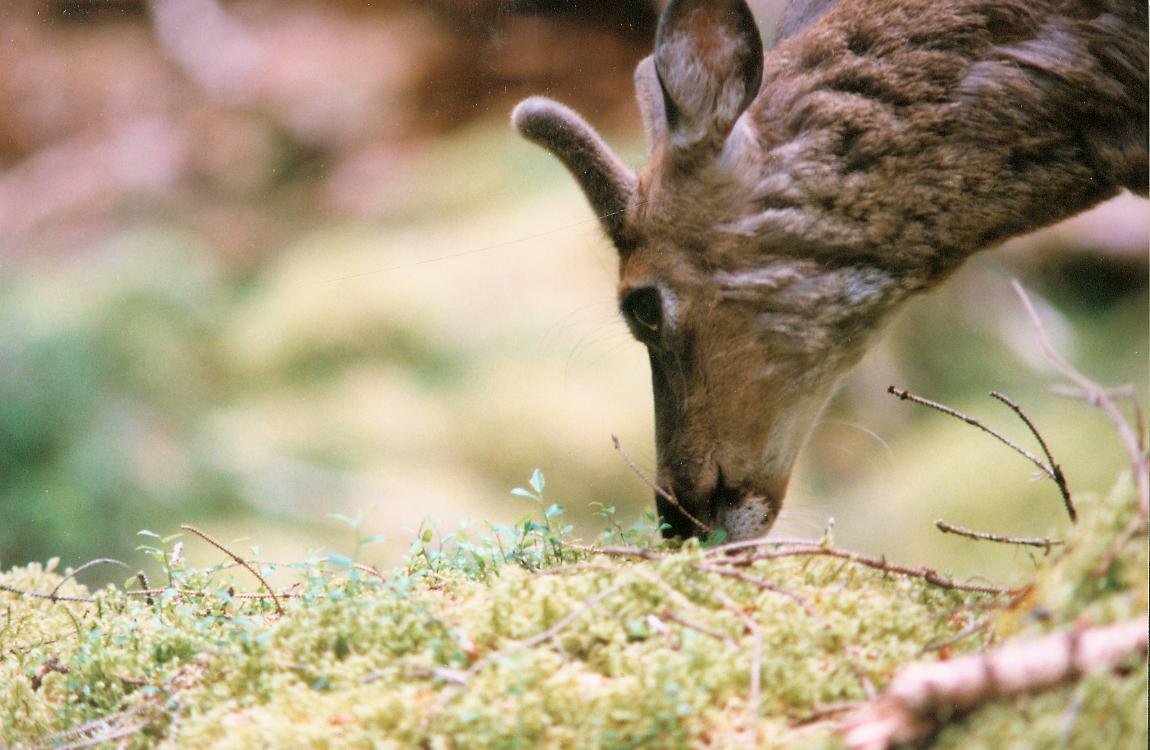
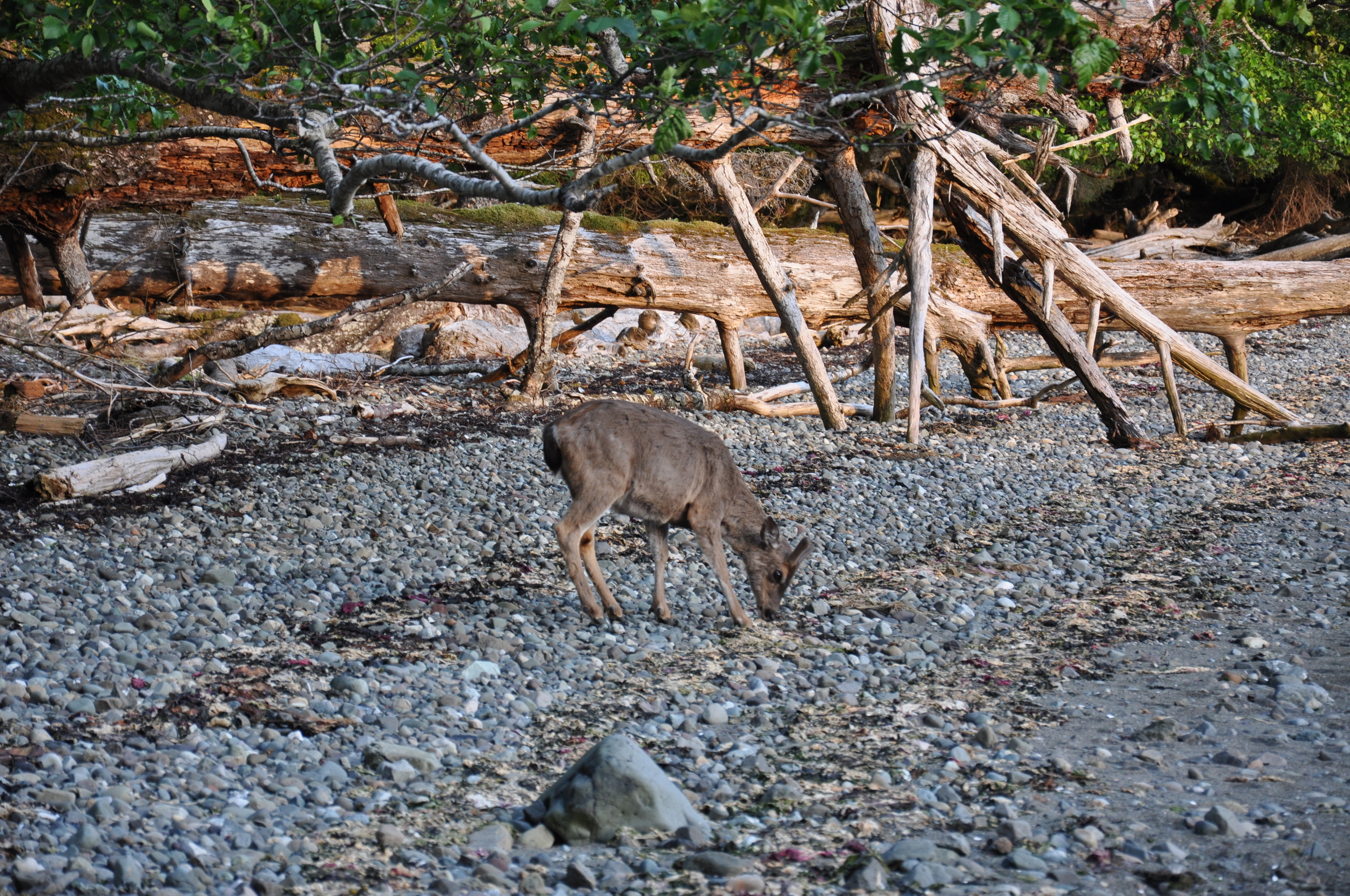
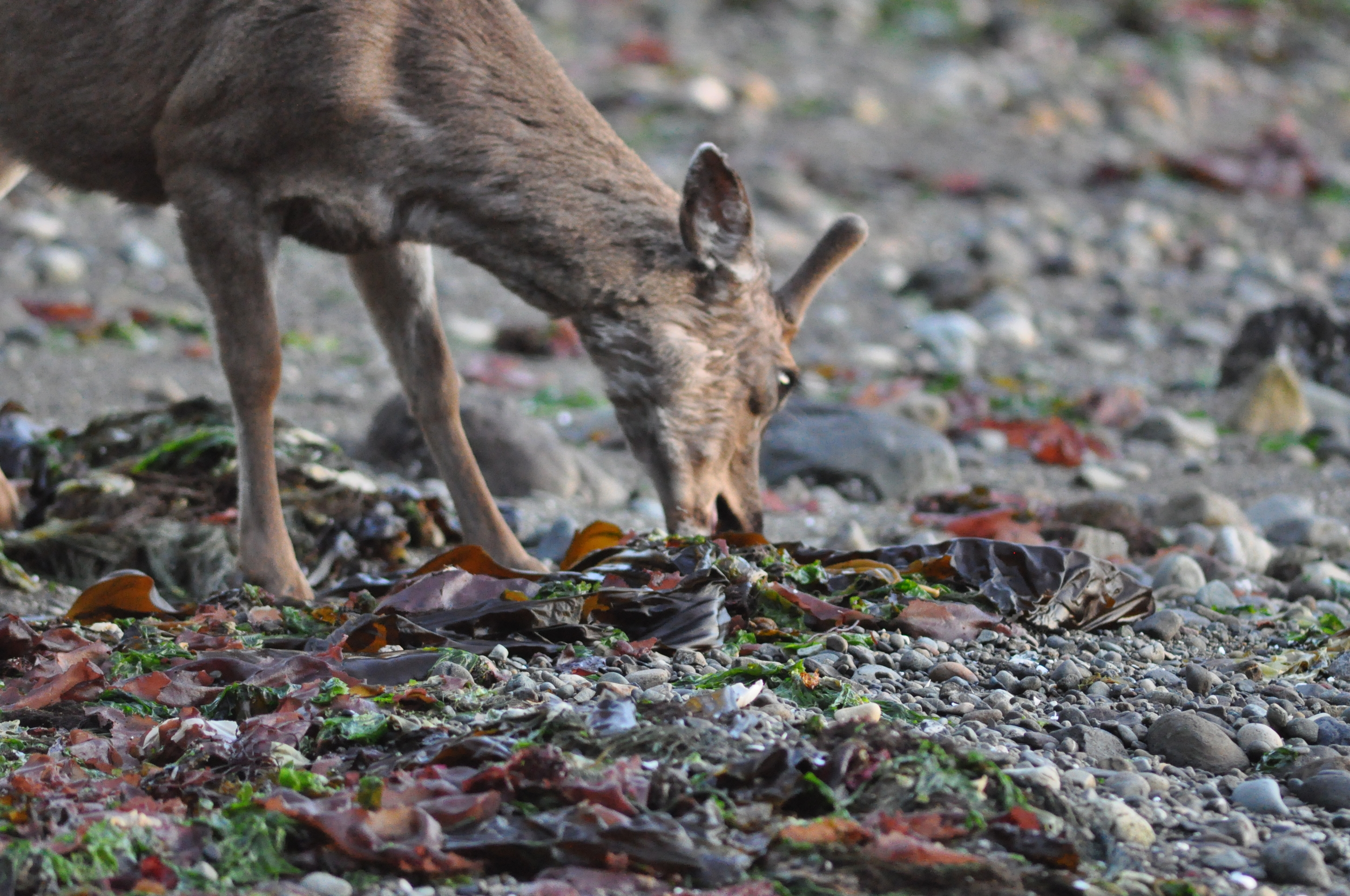
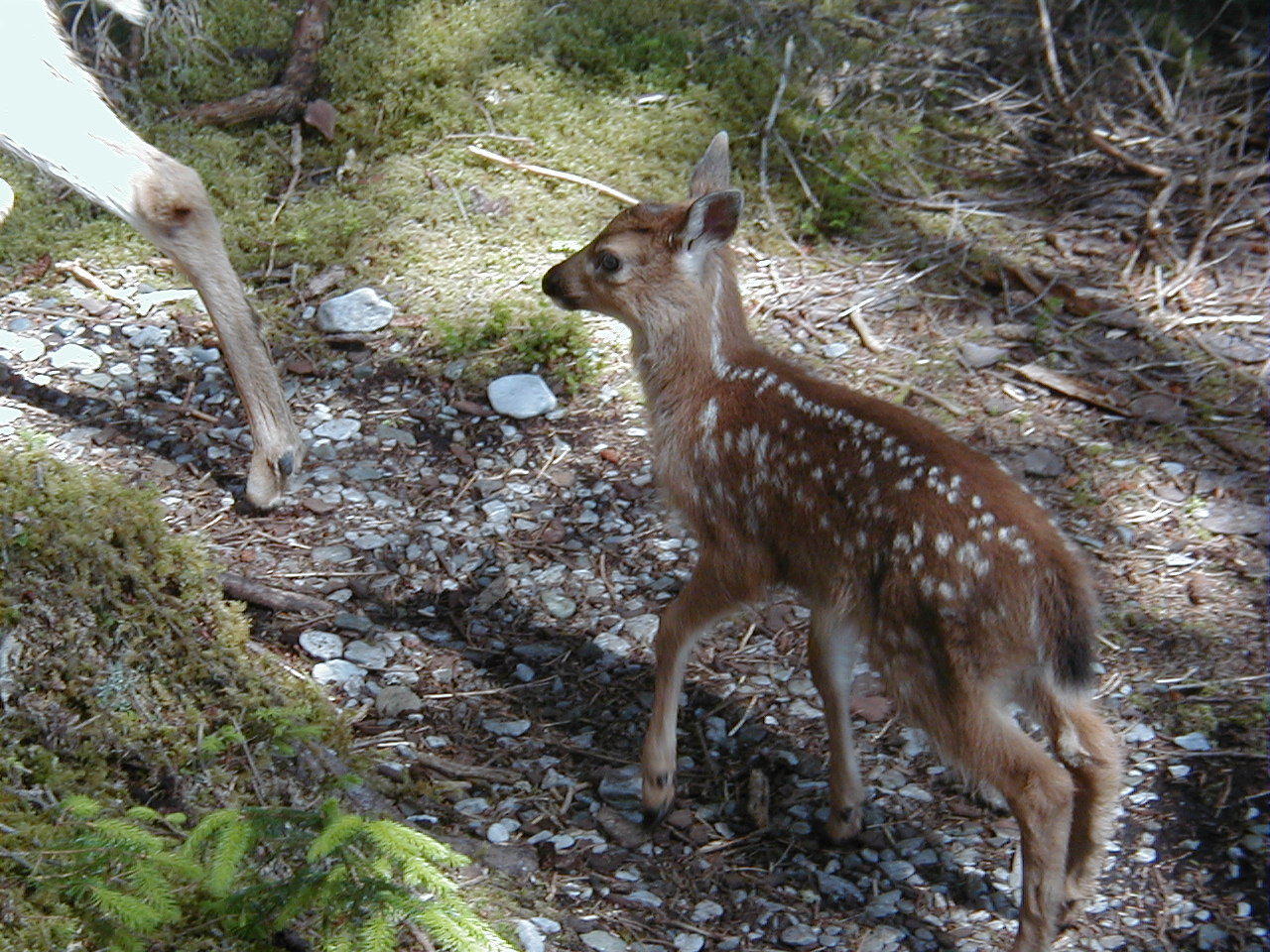
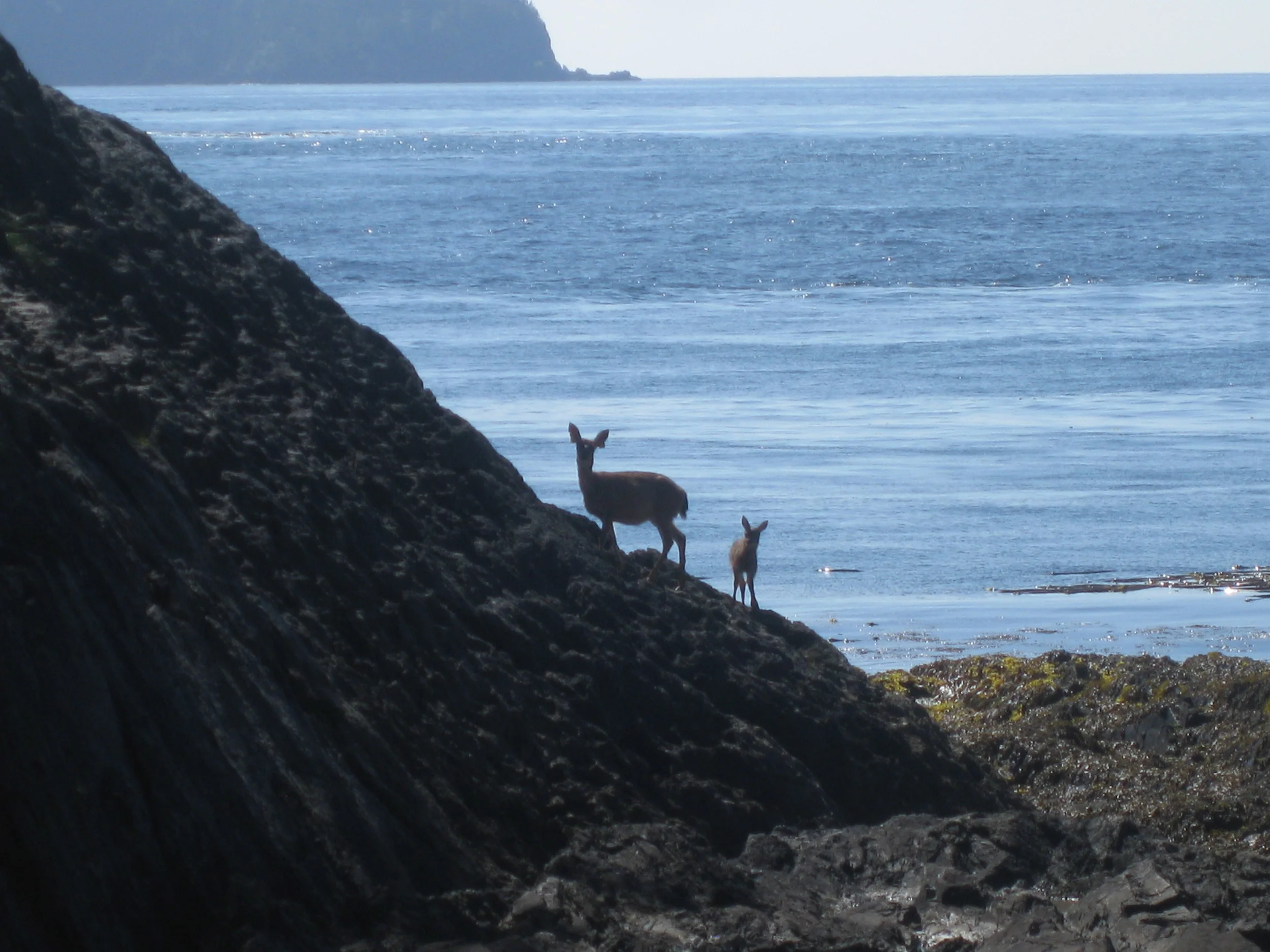
Deer
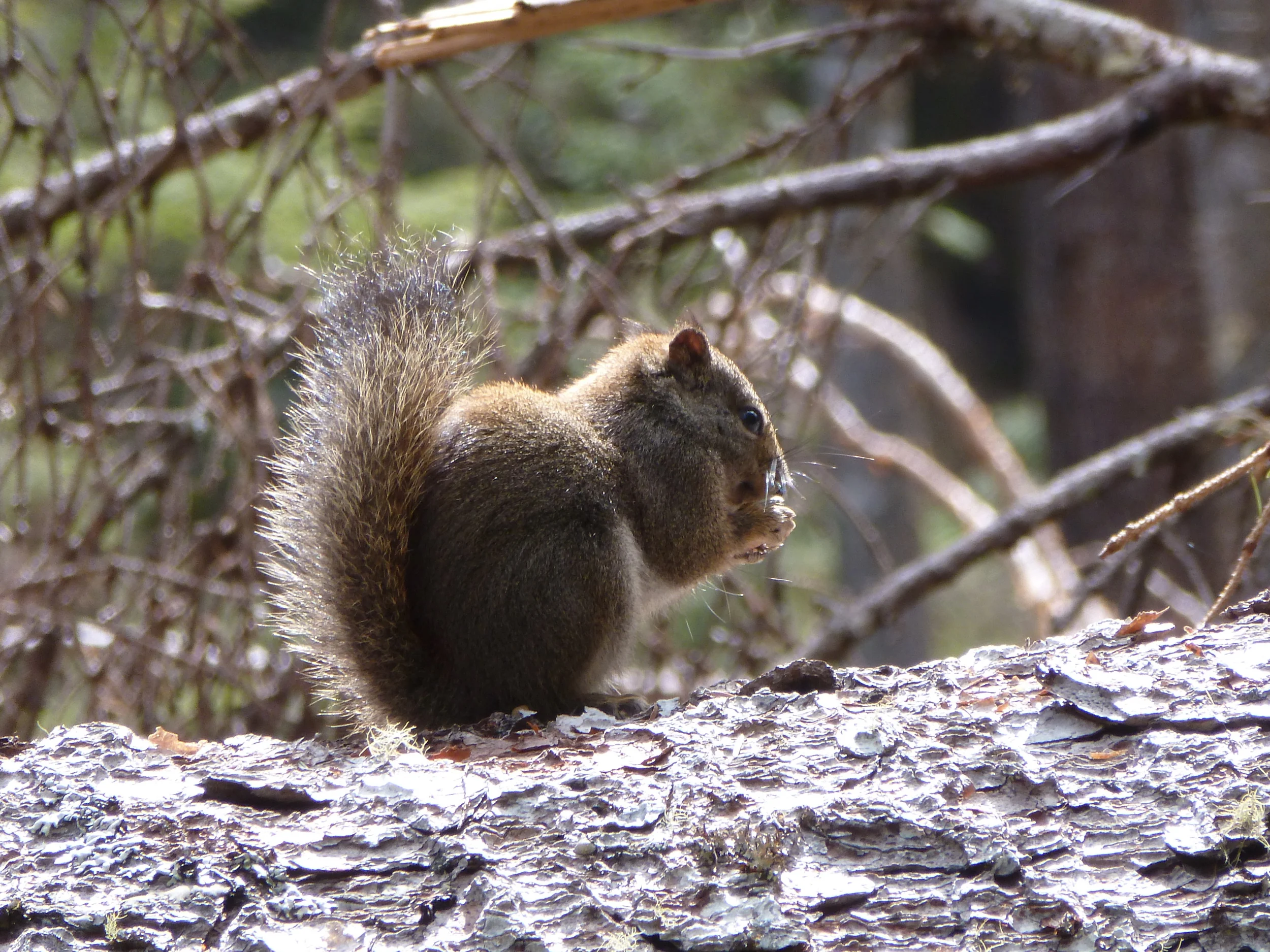
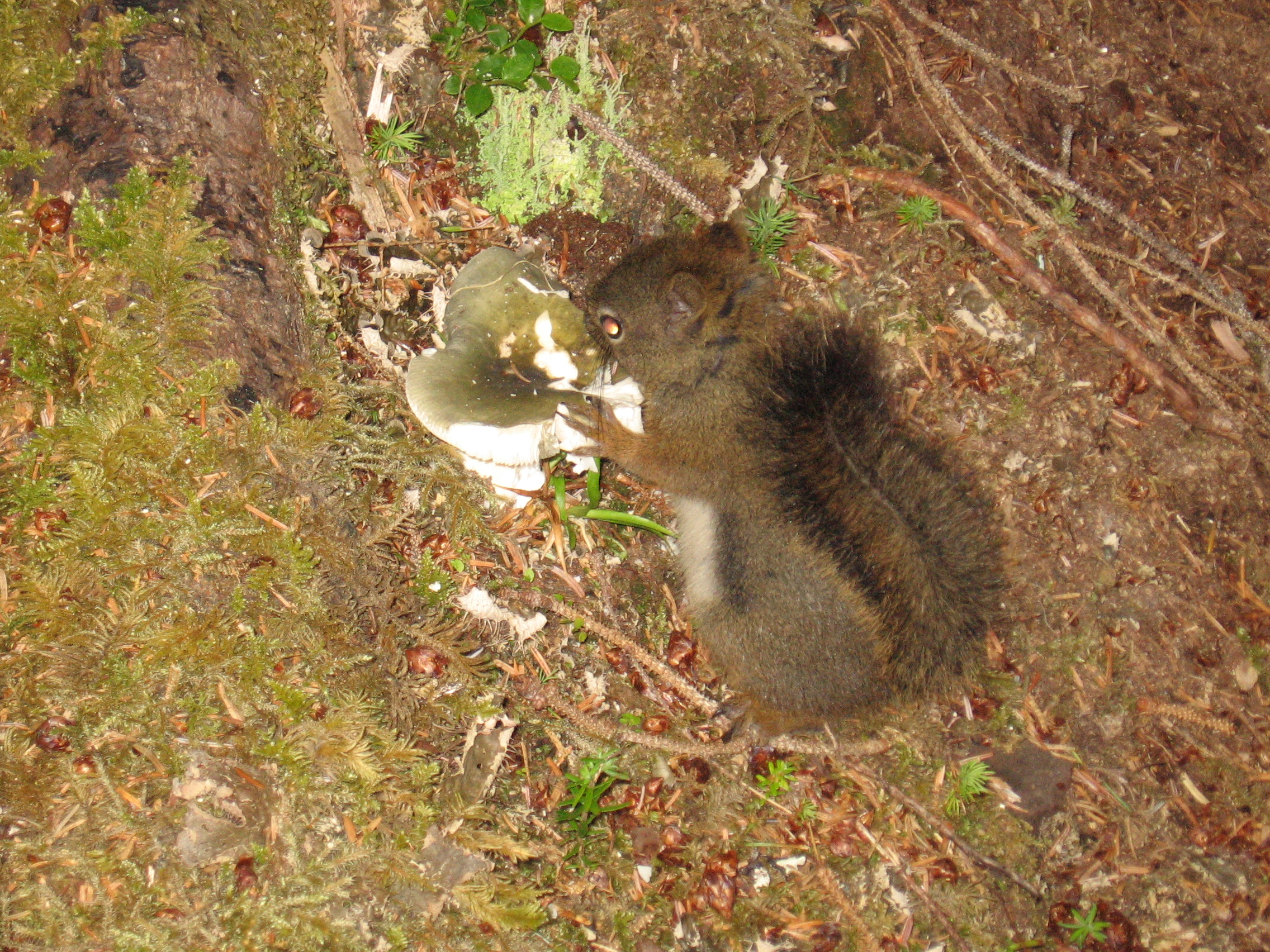
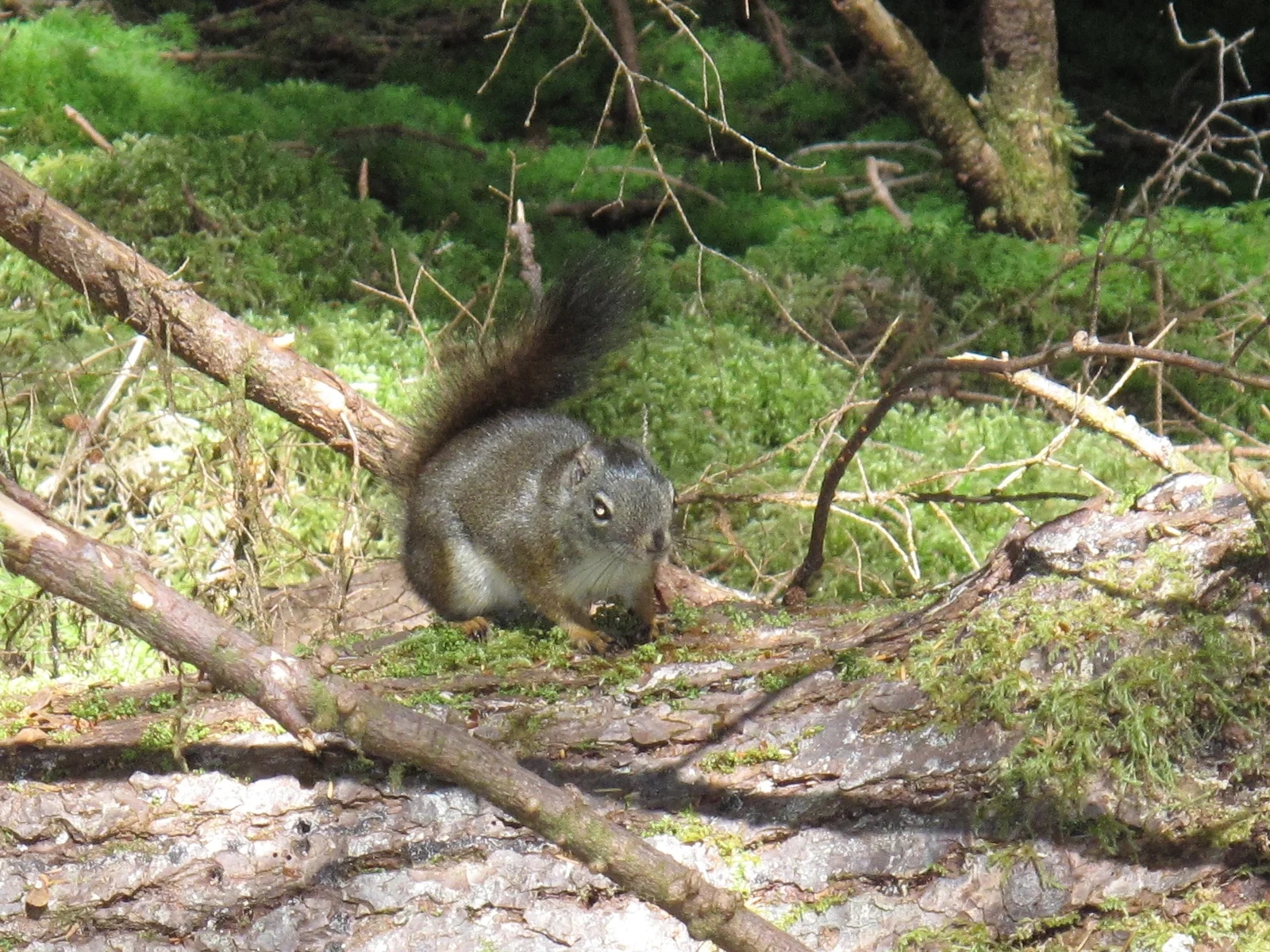
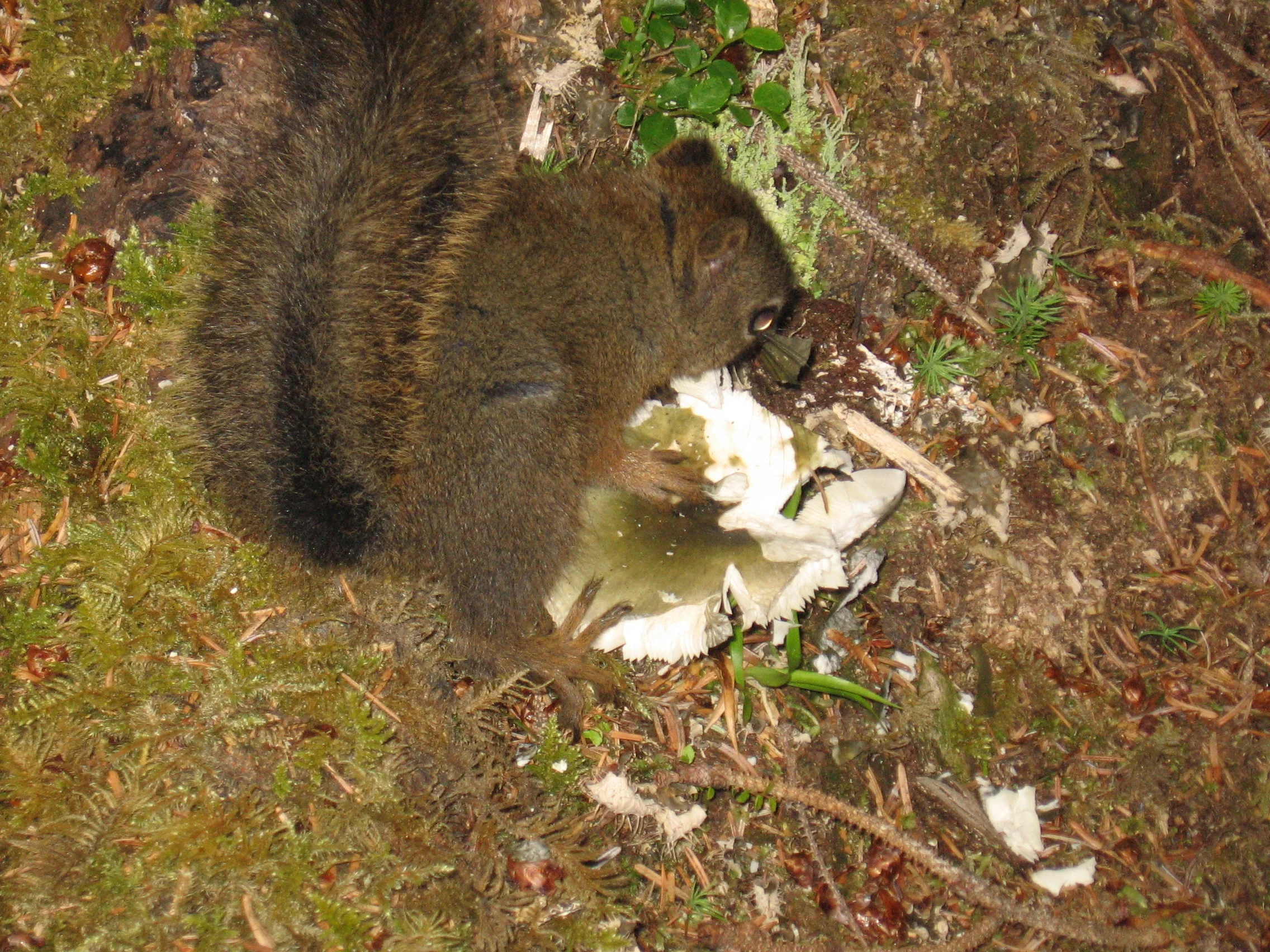
Squirrels
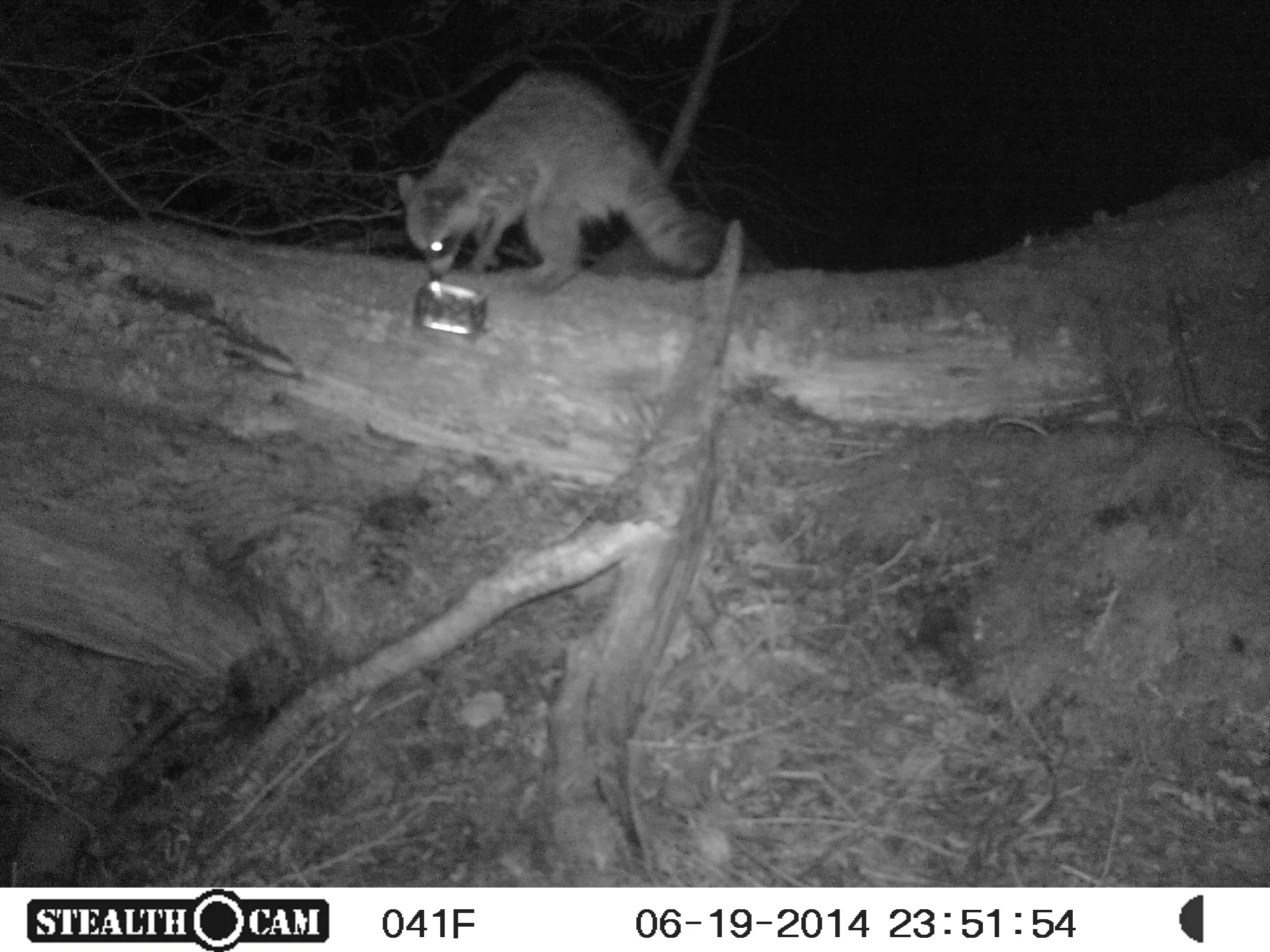
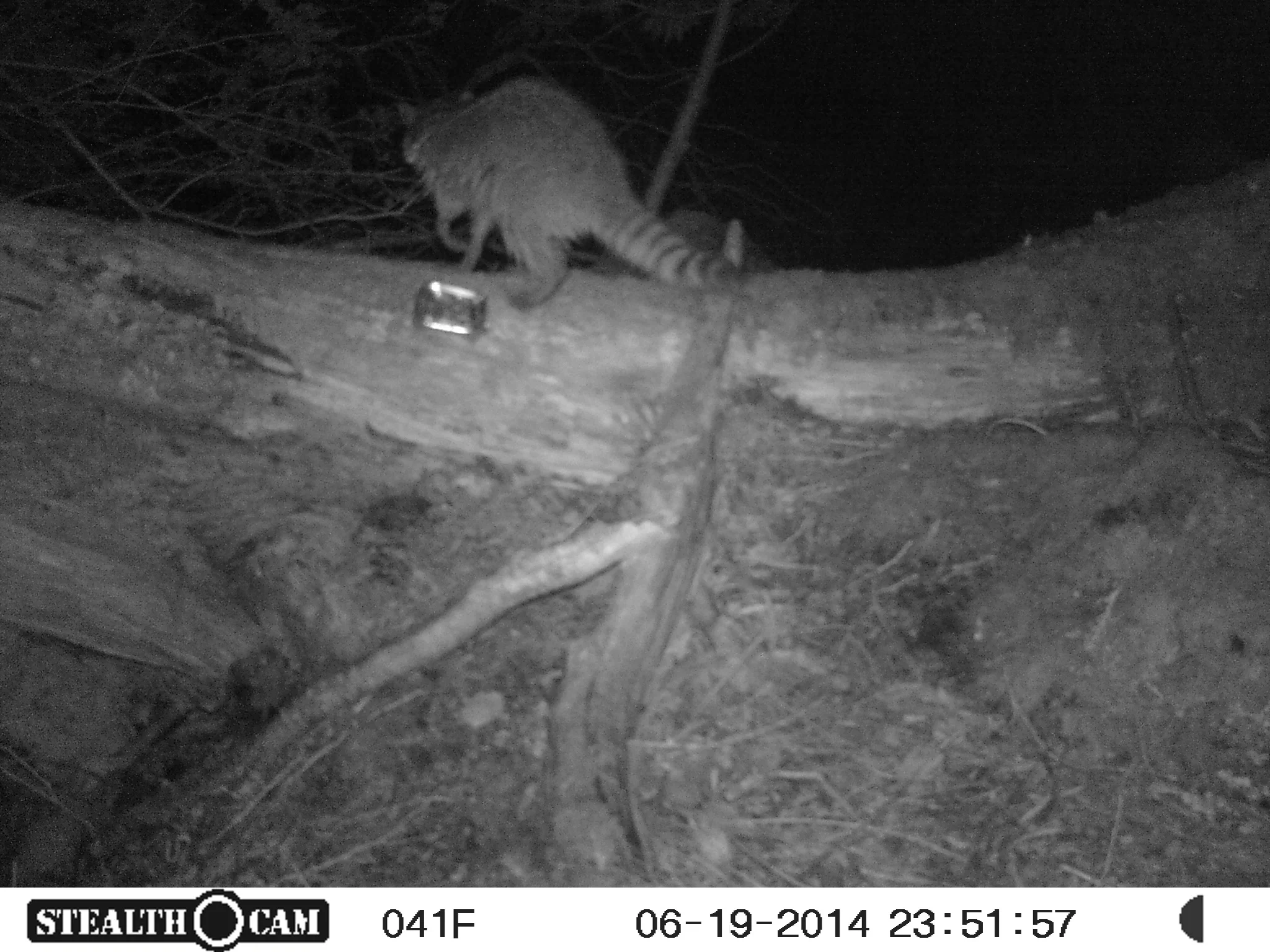
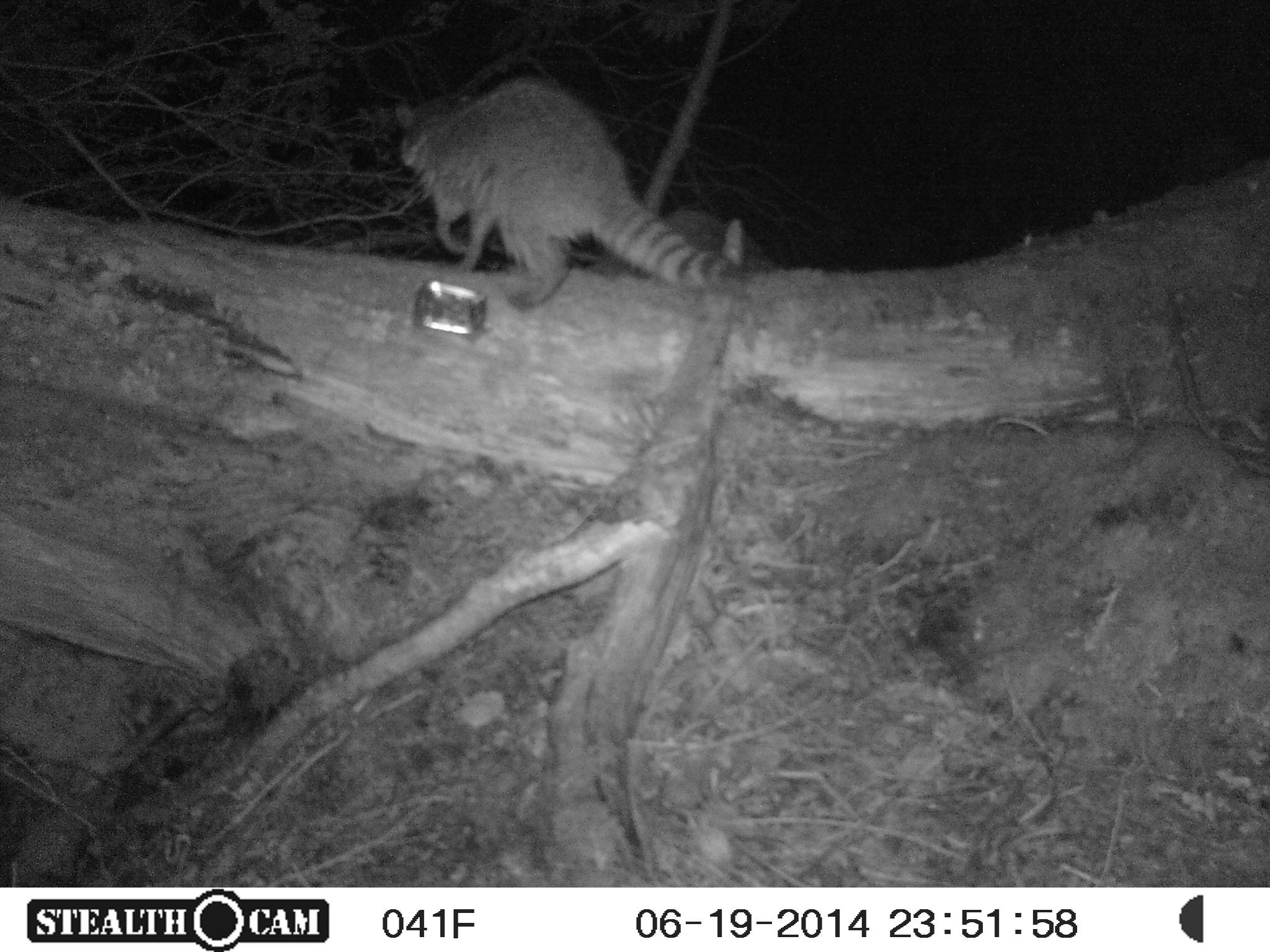
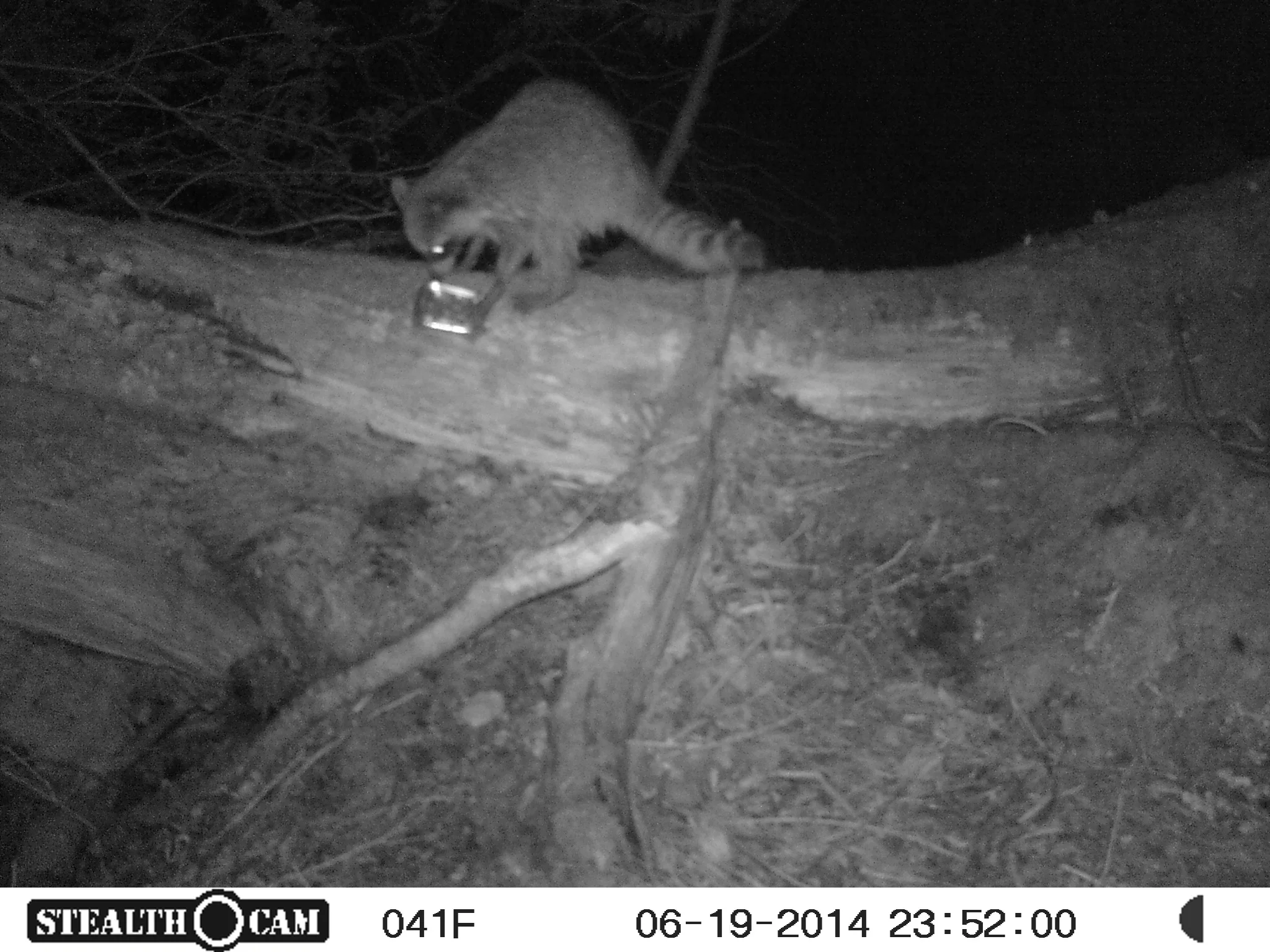
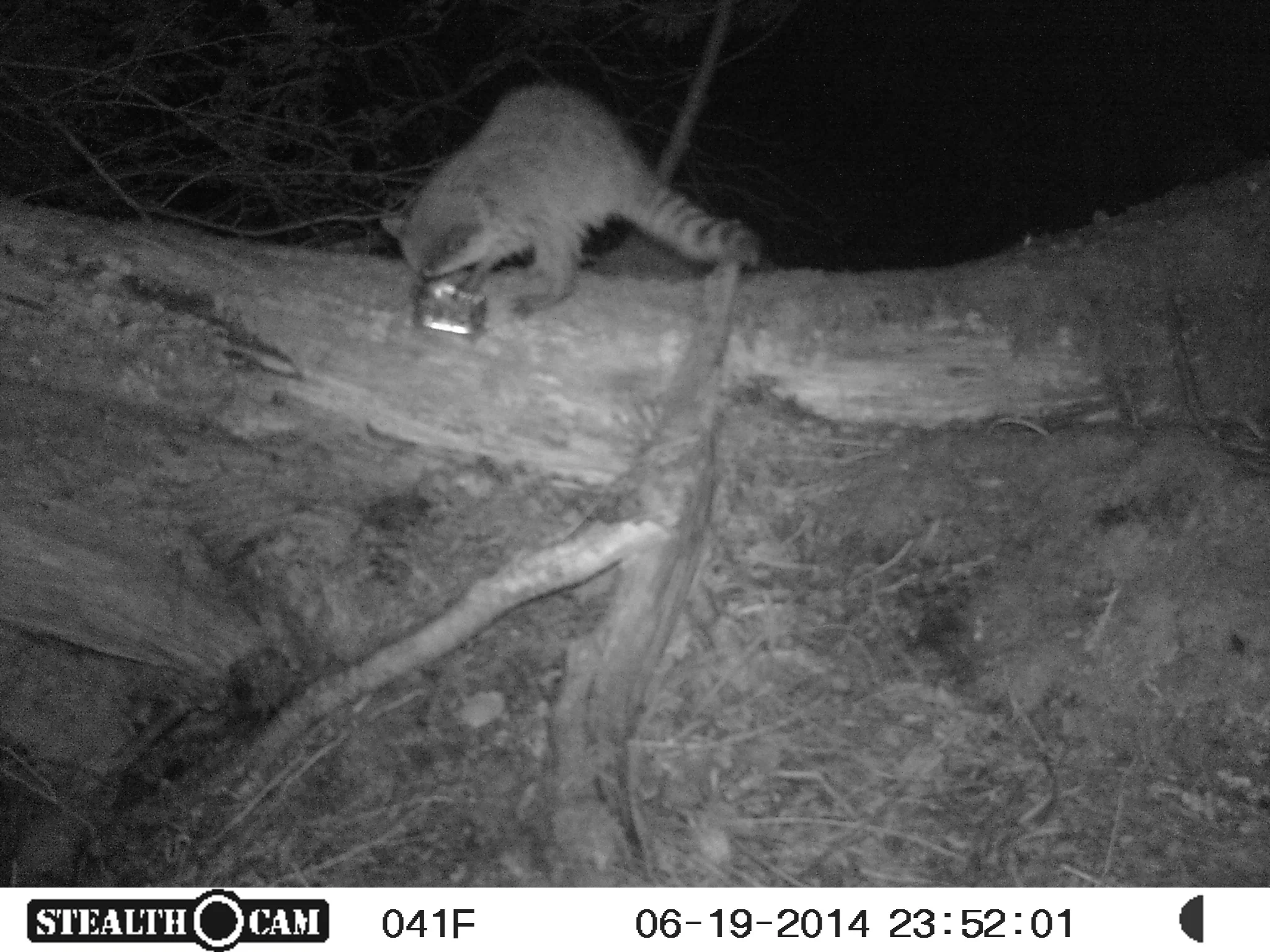
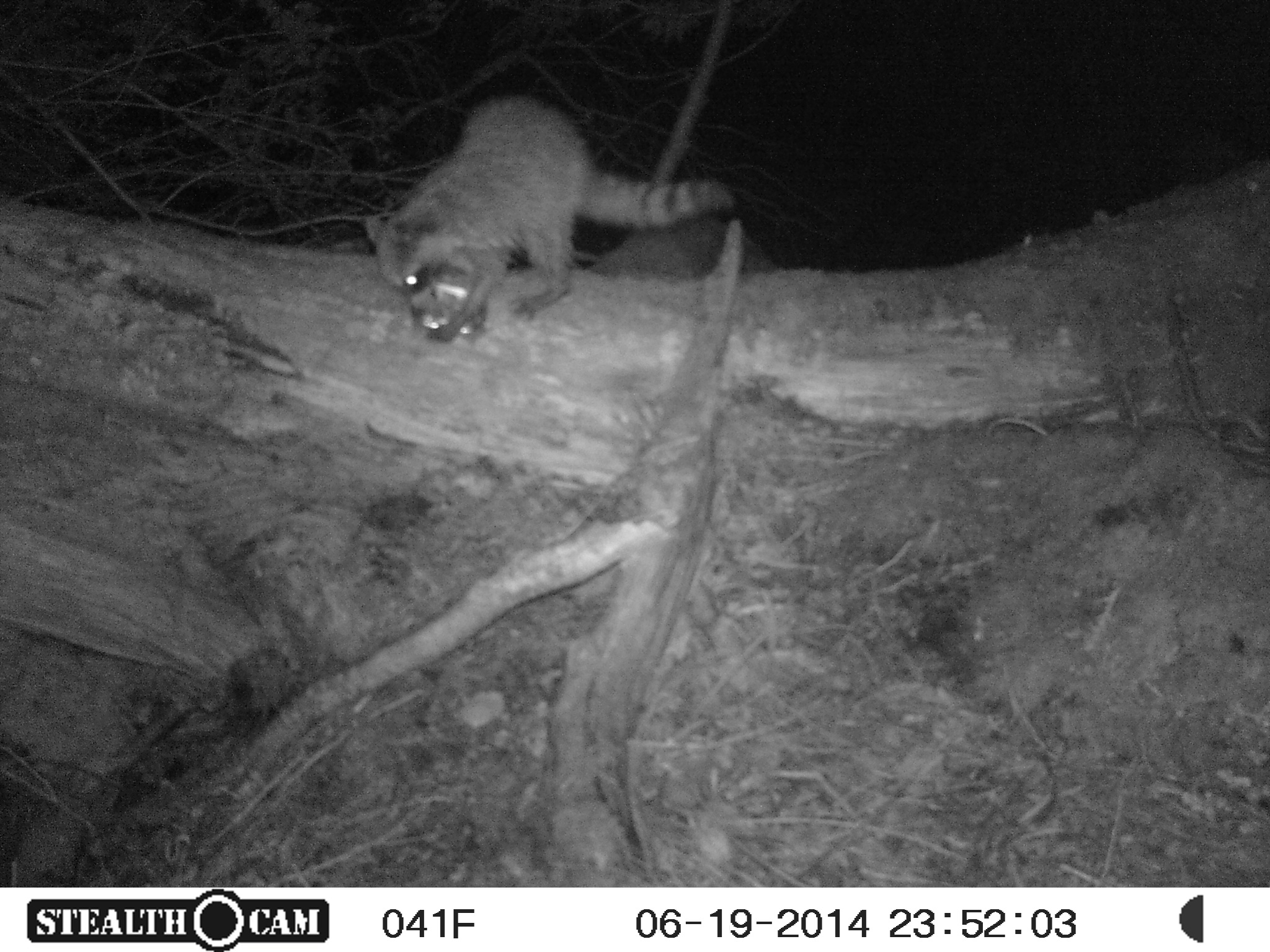
Racoons
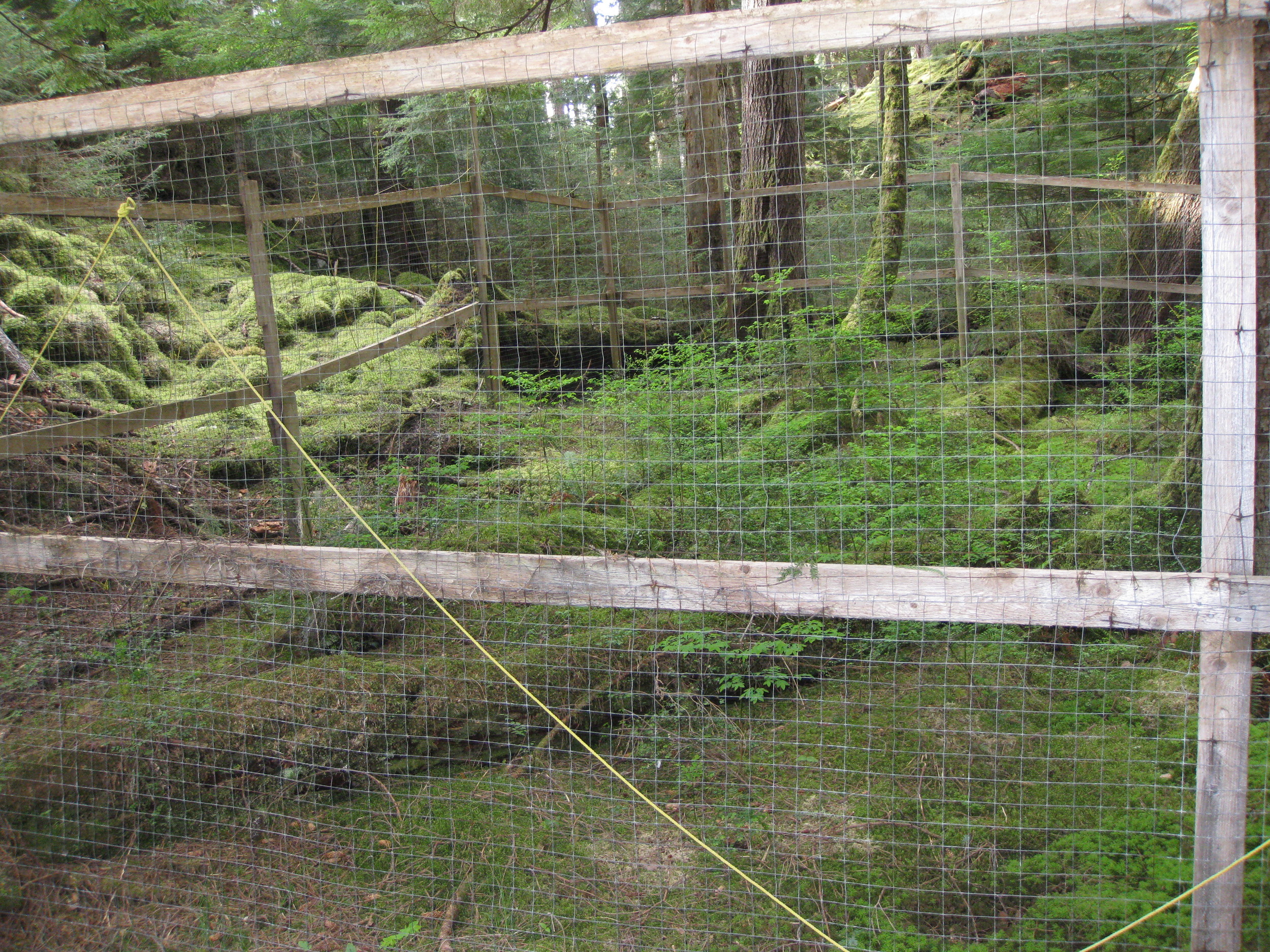
We also study introduced plants and how variation in deer numbers affect their abundance:
Thistles
Wall Lettuce
Groundsel
Sow-thistle
Stinging Nettle
Marine Mammals
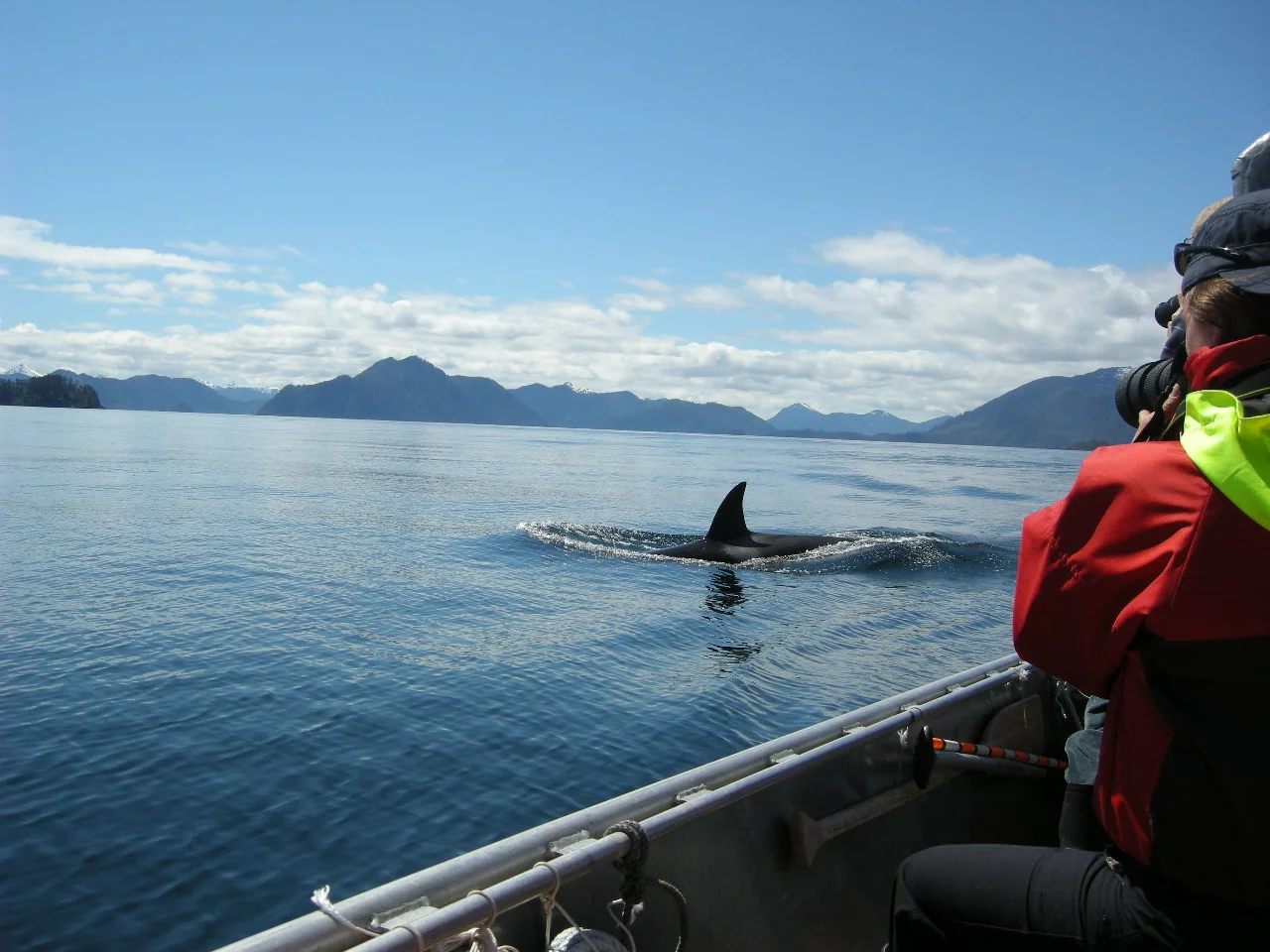
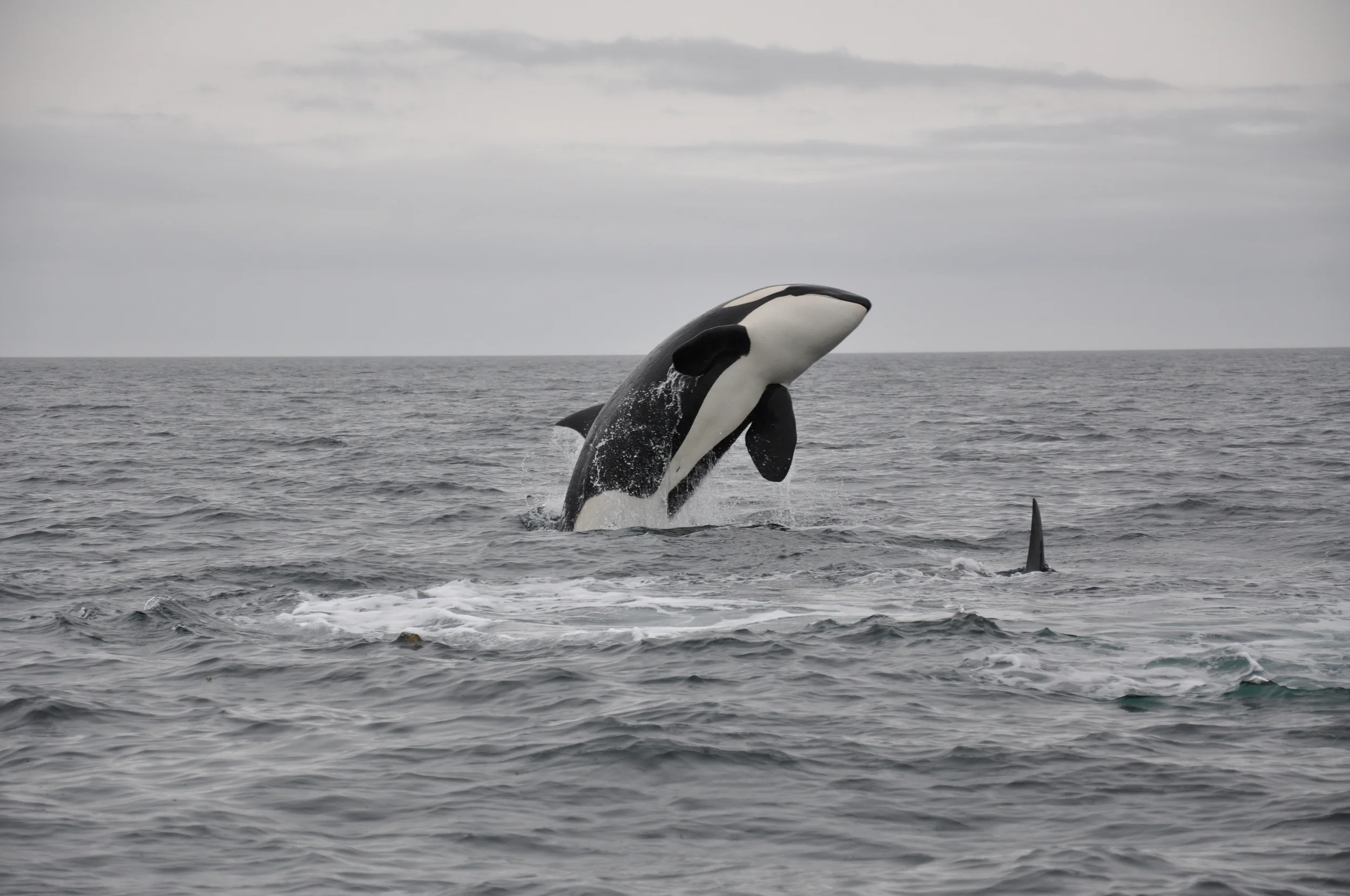
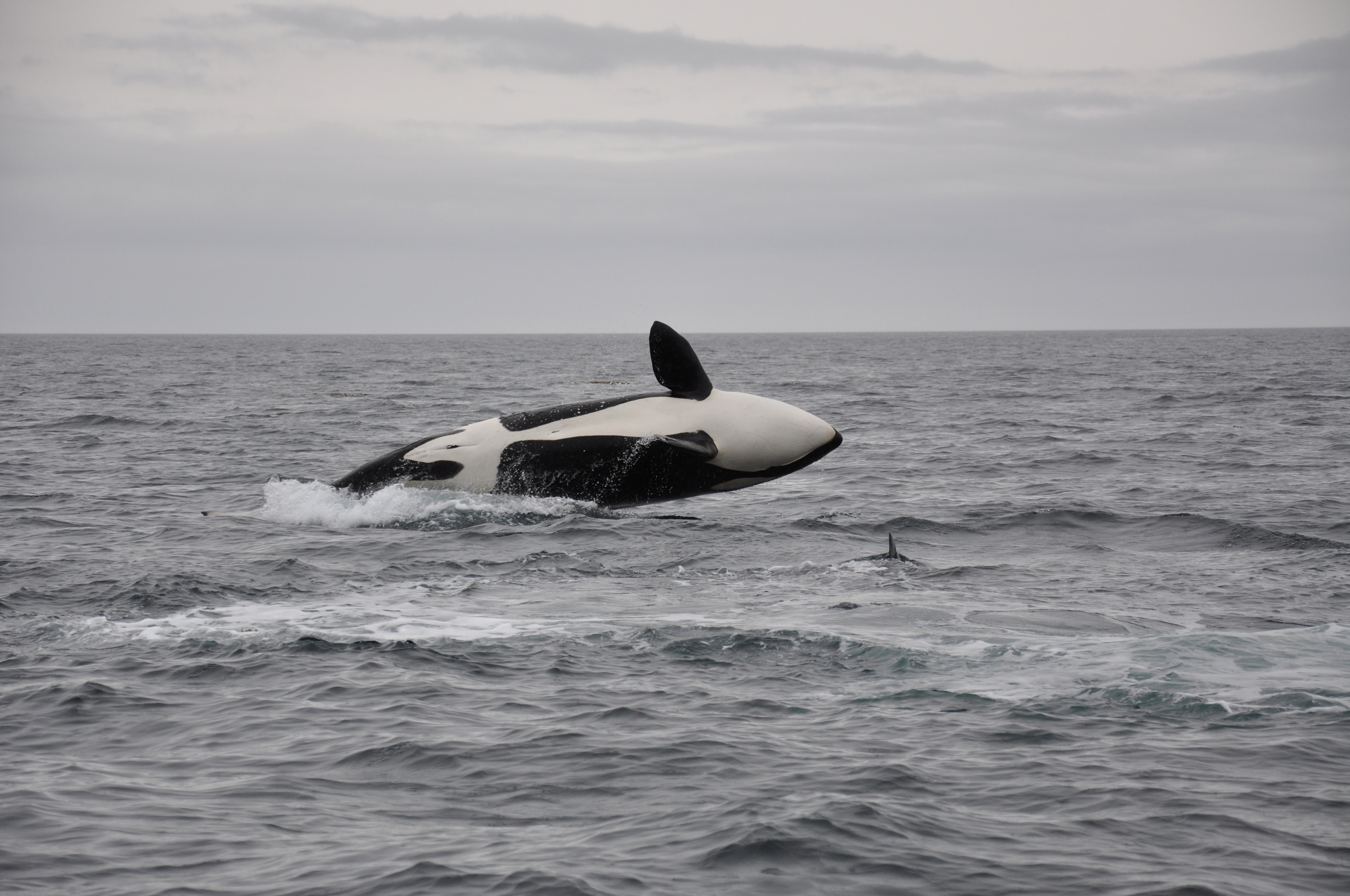
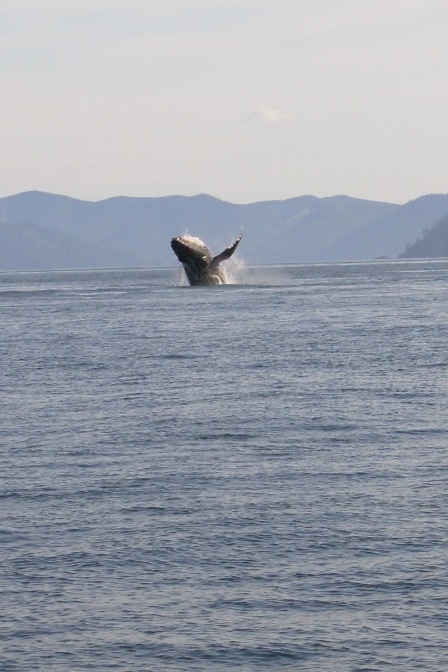
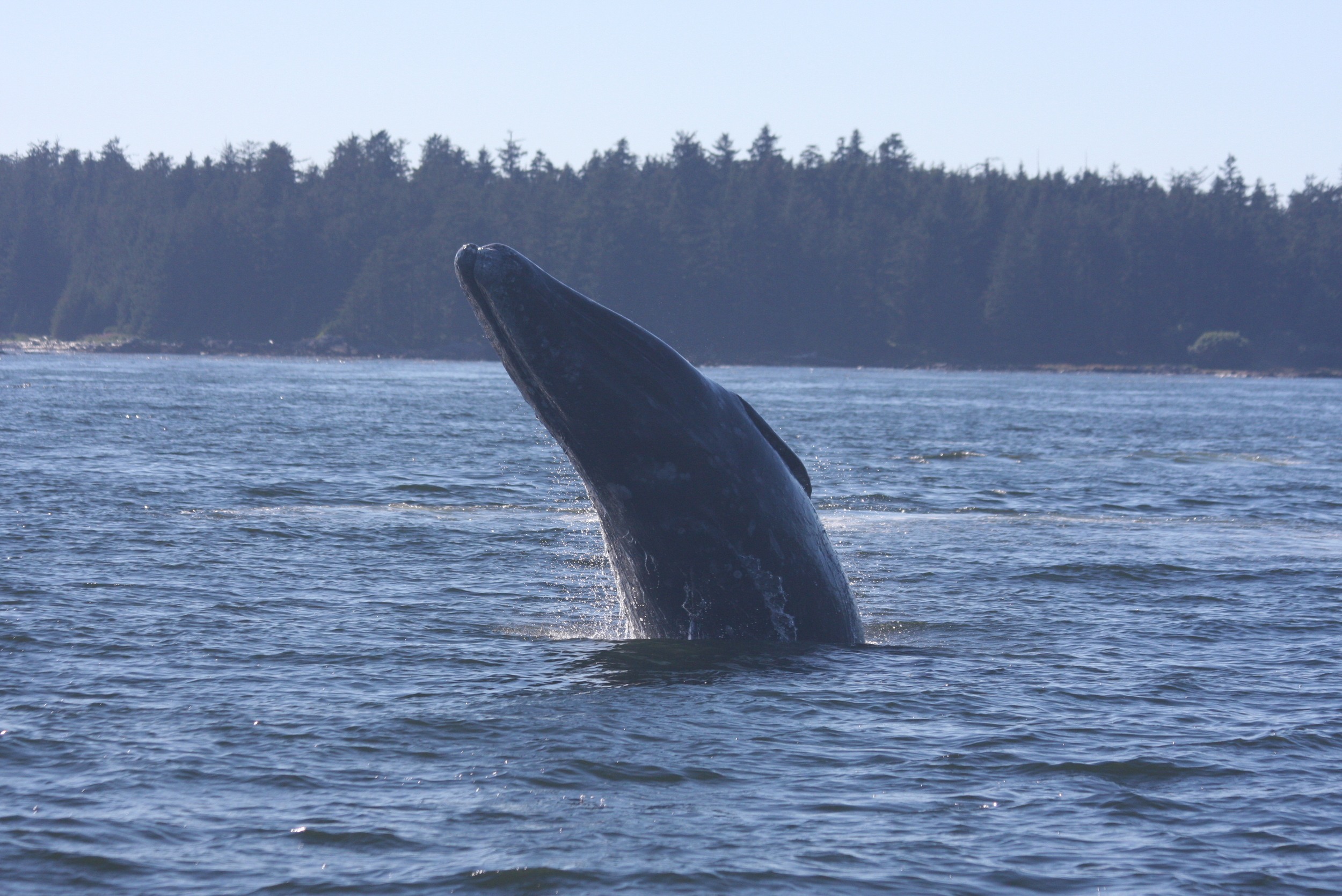
We record all sightings of marine mammals and keep detailed year-to-year records. These records are sent to people doing research on individual species, as well as to a province-wide database. A sighting can occur at any time - while on a sea survey, at the observation point on East Limestone Island, from the cabins or anywhere on the shoreline. We identify the species and record the number of animals, their behaviour, location, direction of travel and time of encounter.
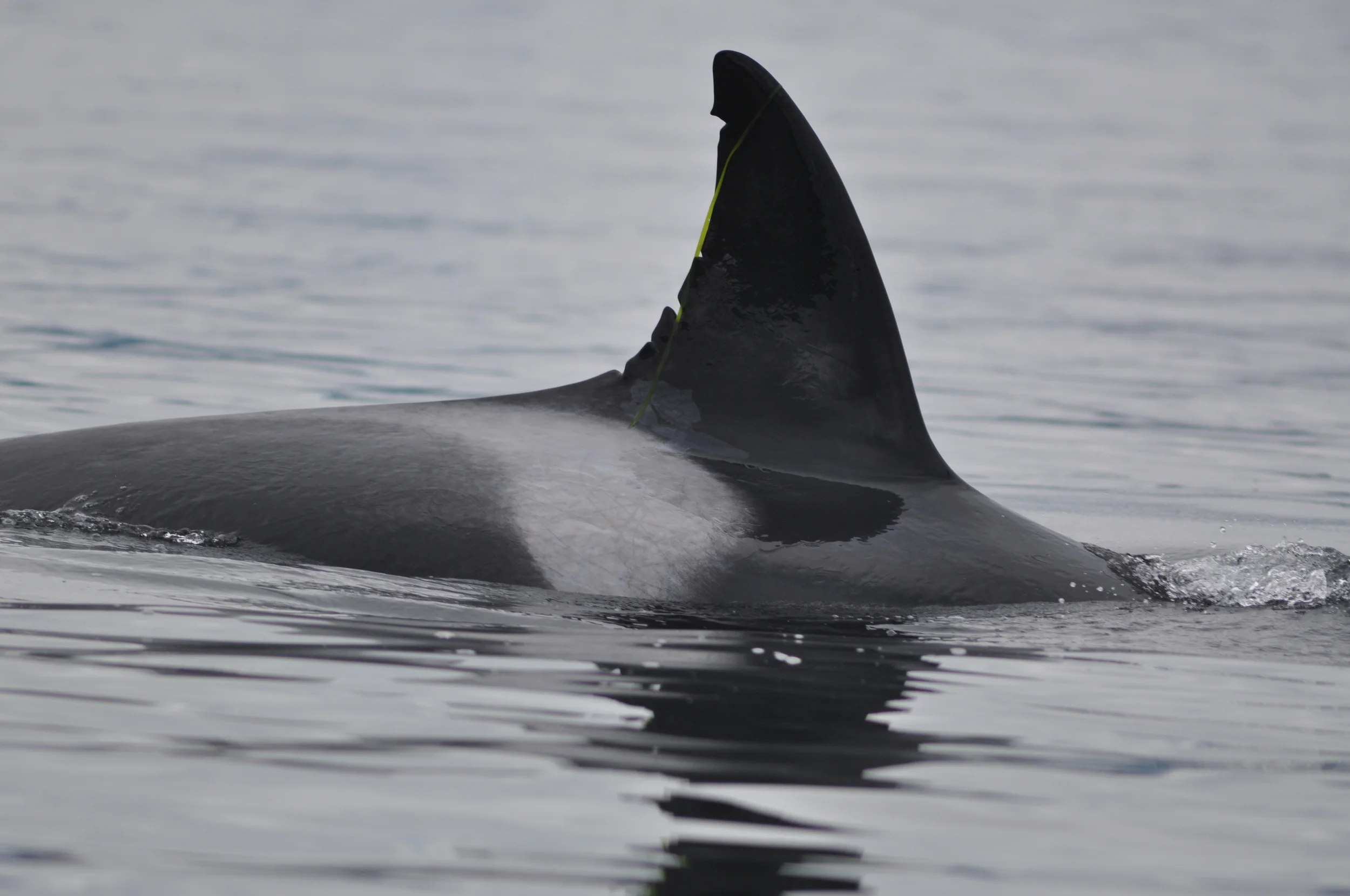
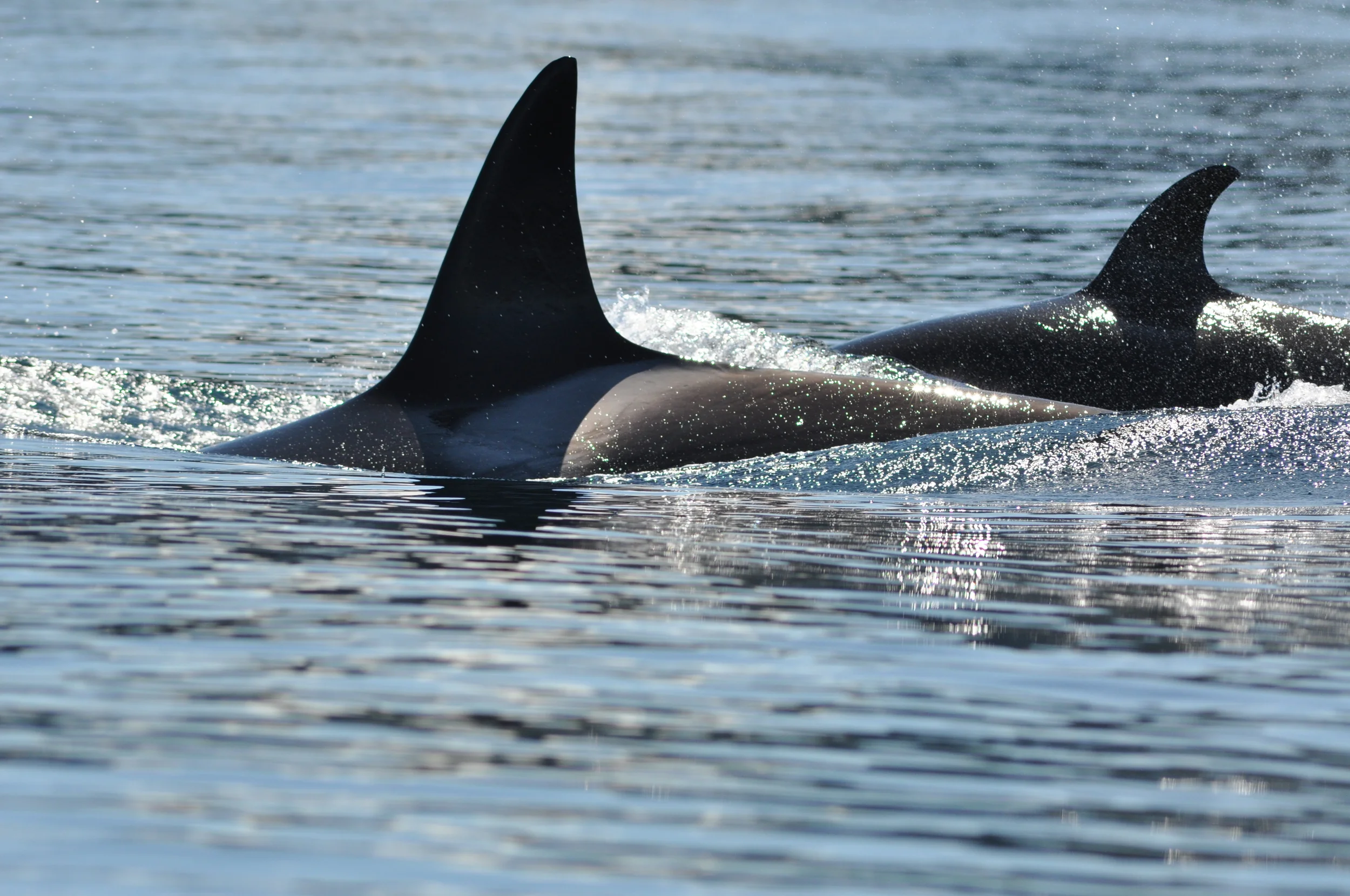
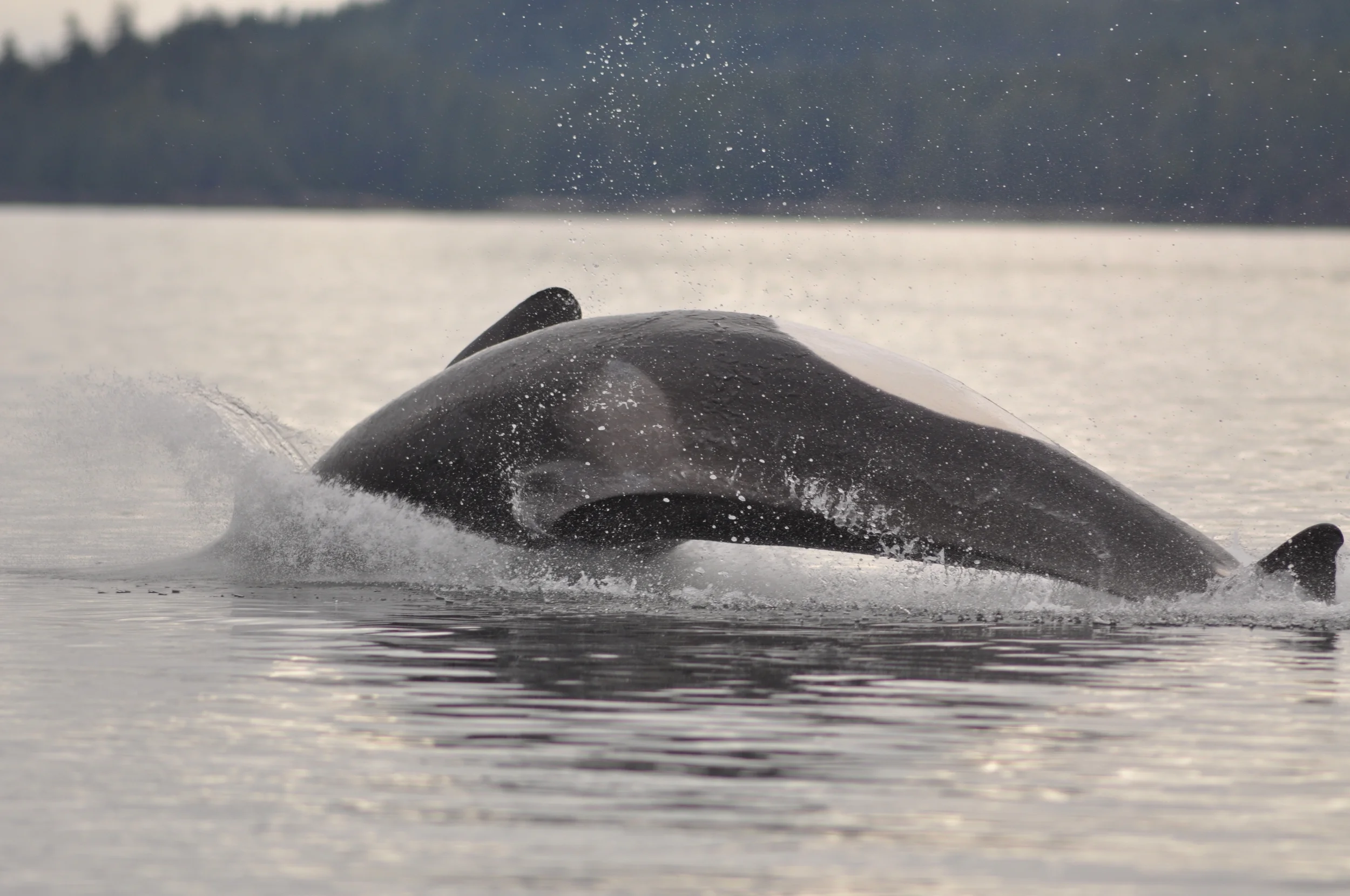
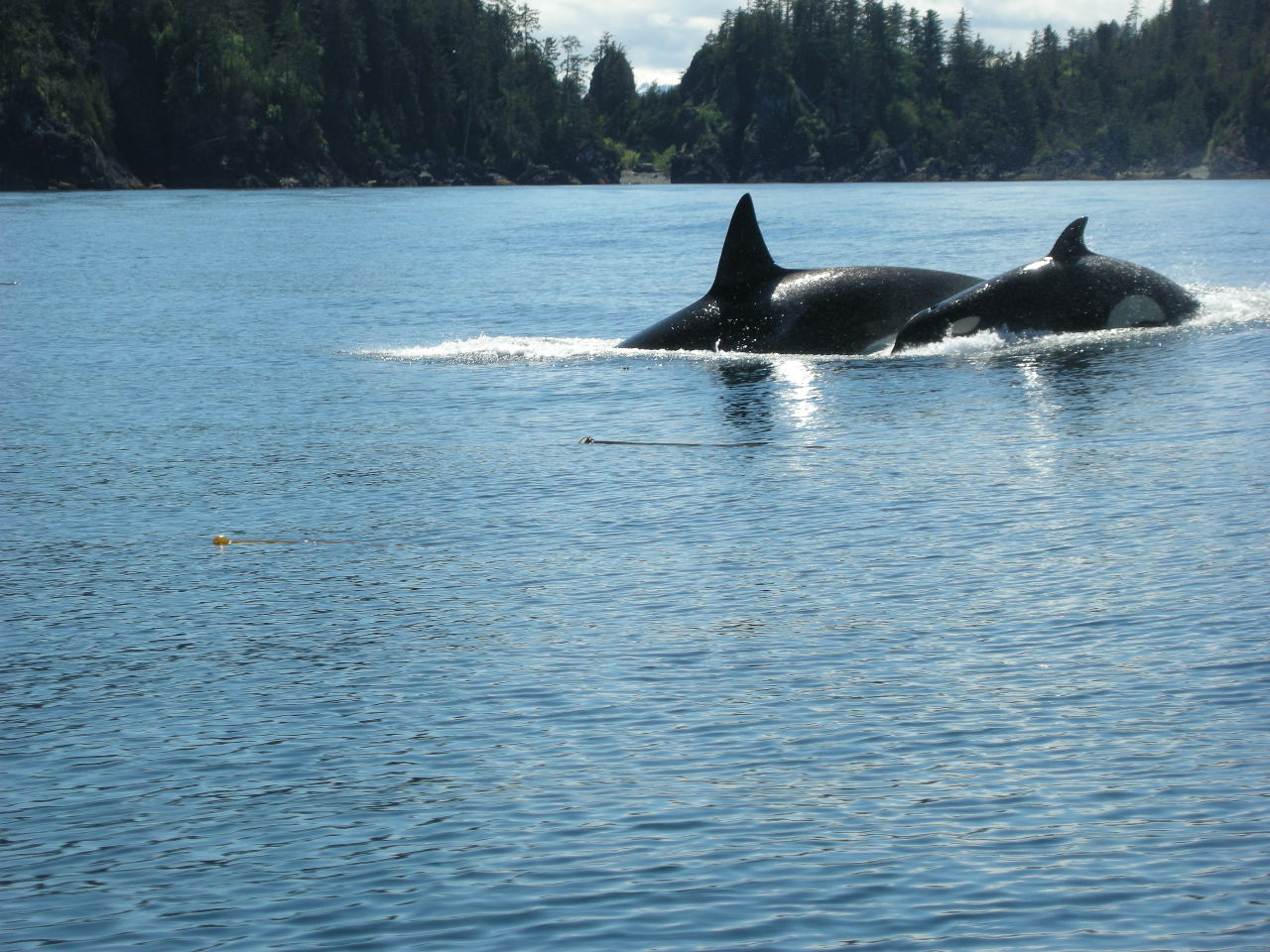
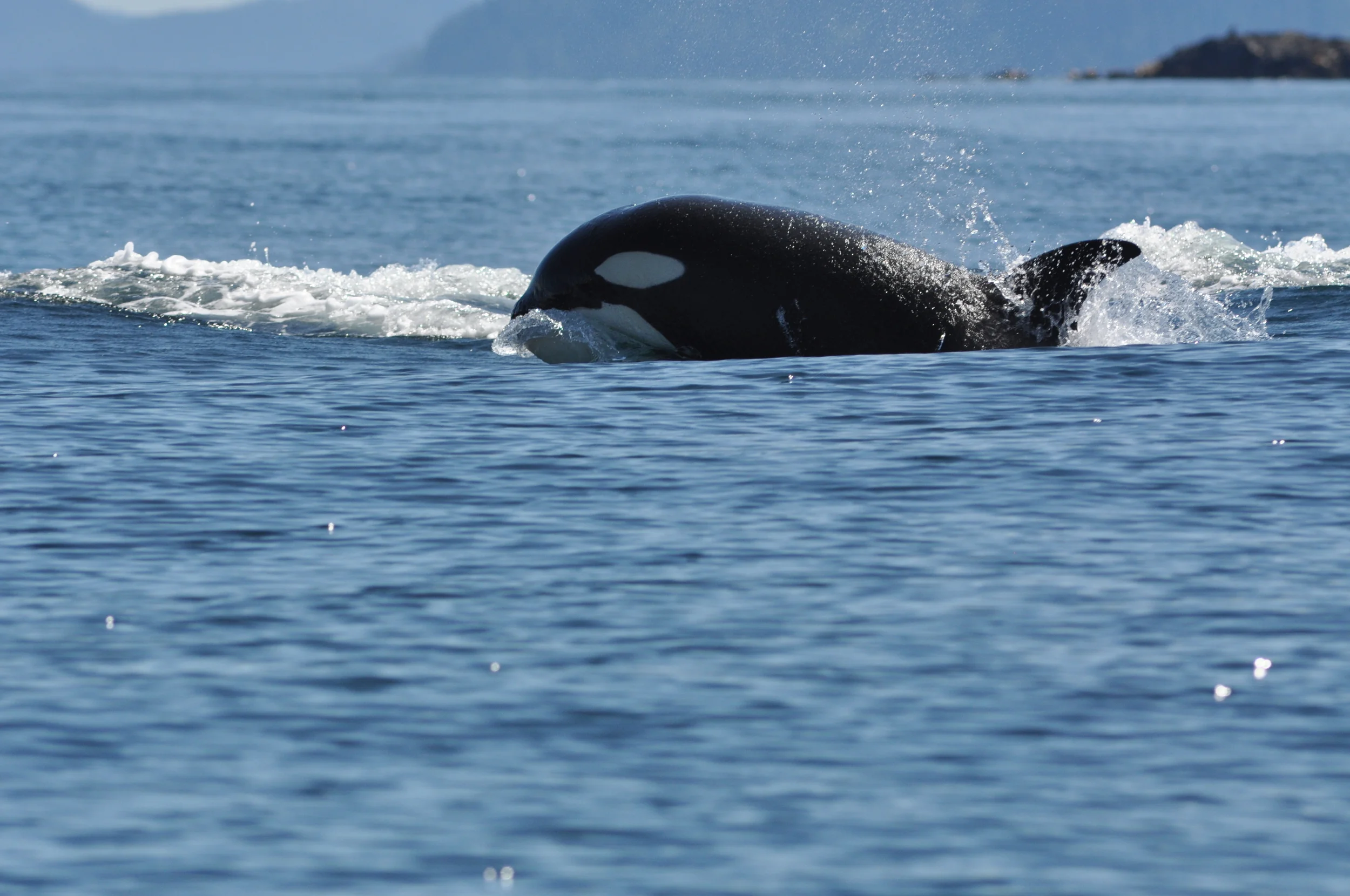
Killer Whales
Humpback Whales
Gray Whales
Steller Sea Lions
Pacific Harbour Porpoises
Harbour Seals
Rare Plants
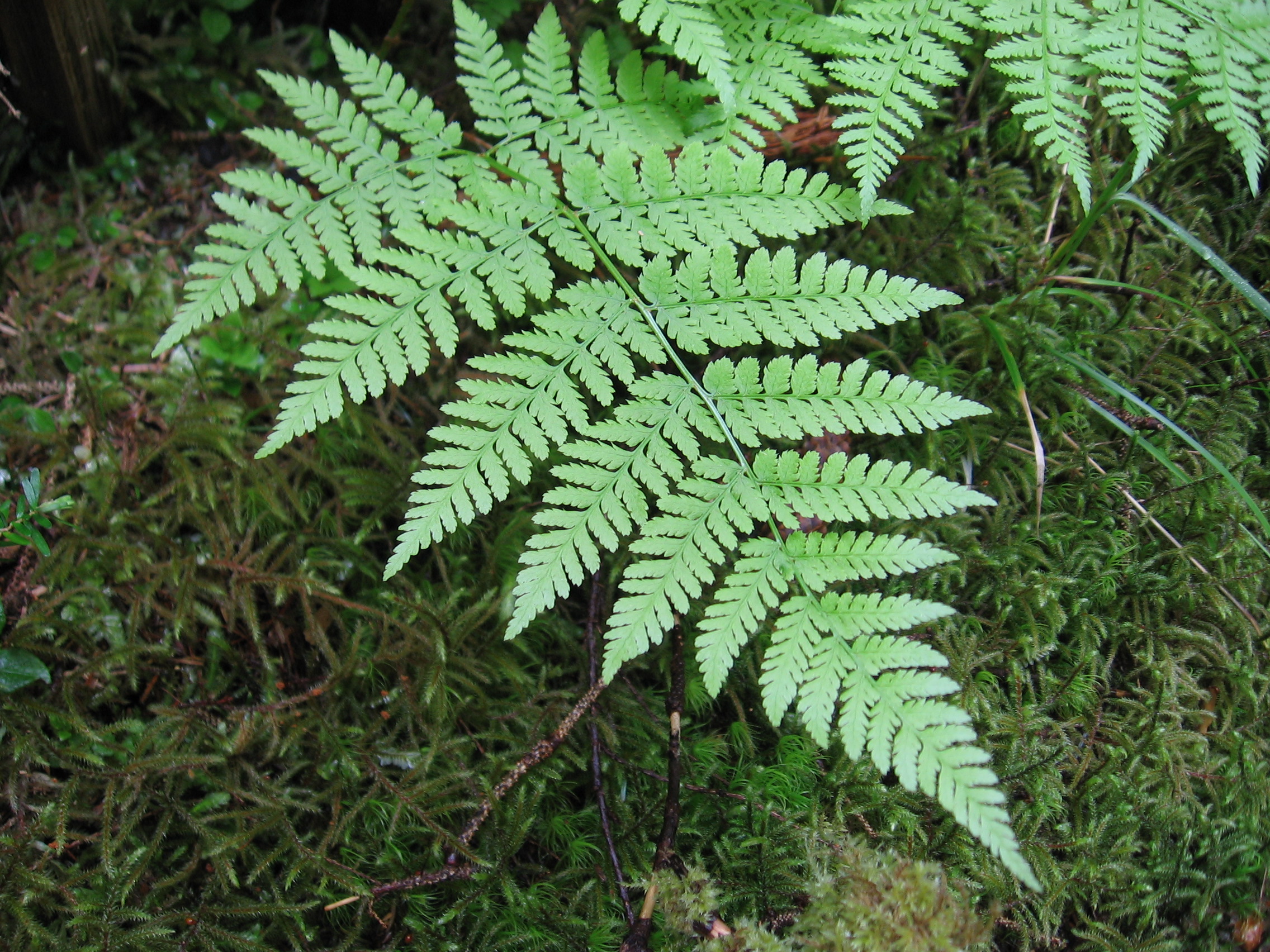
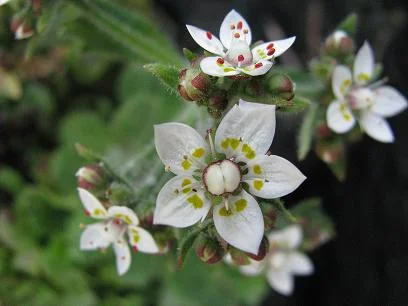
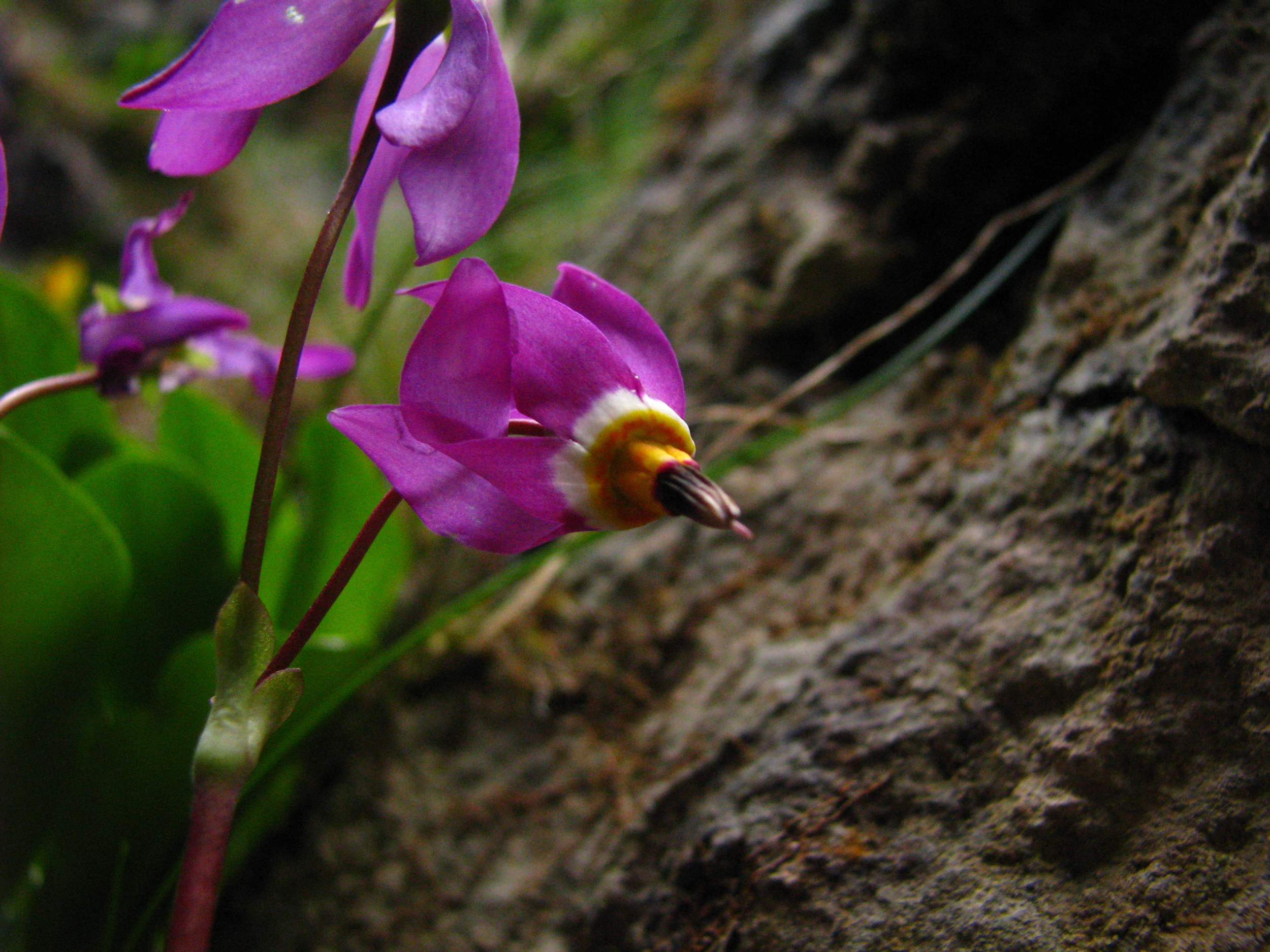
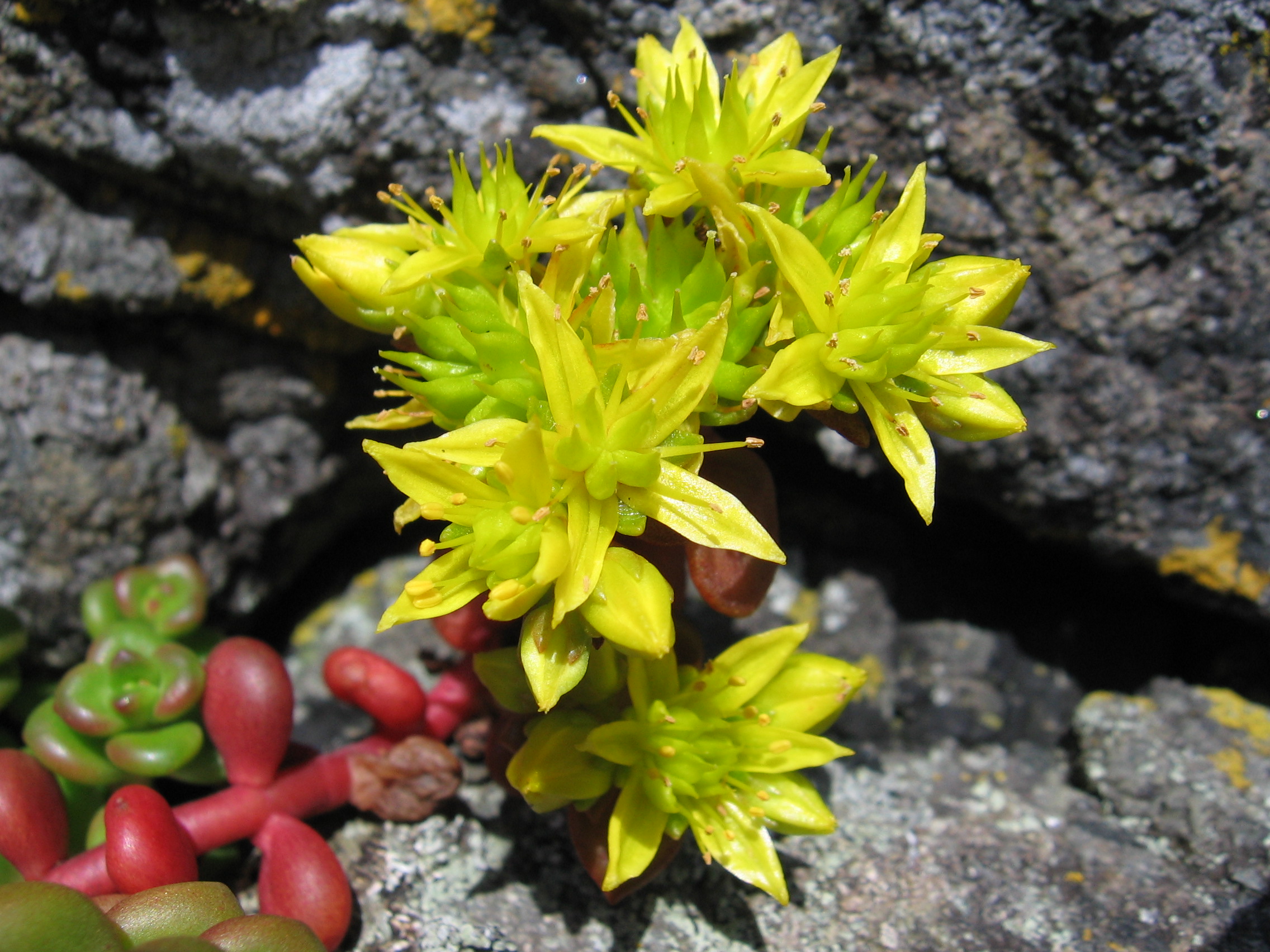
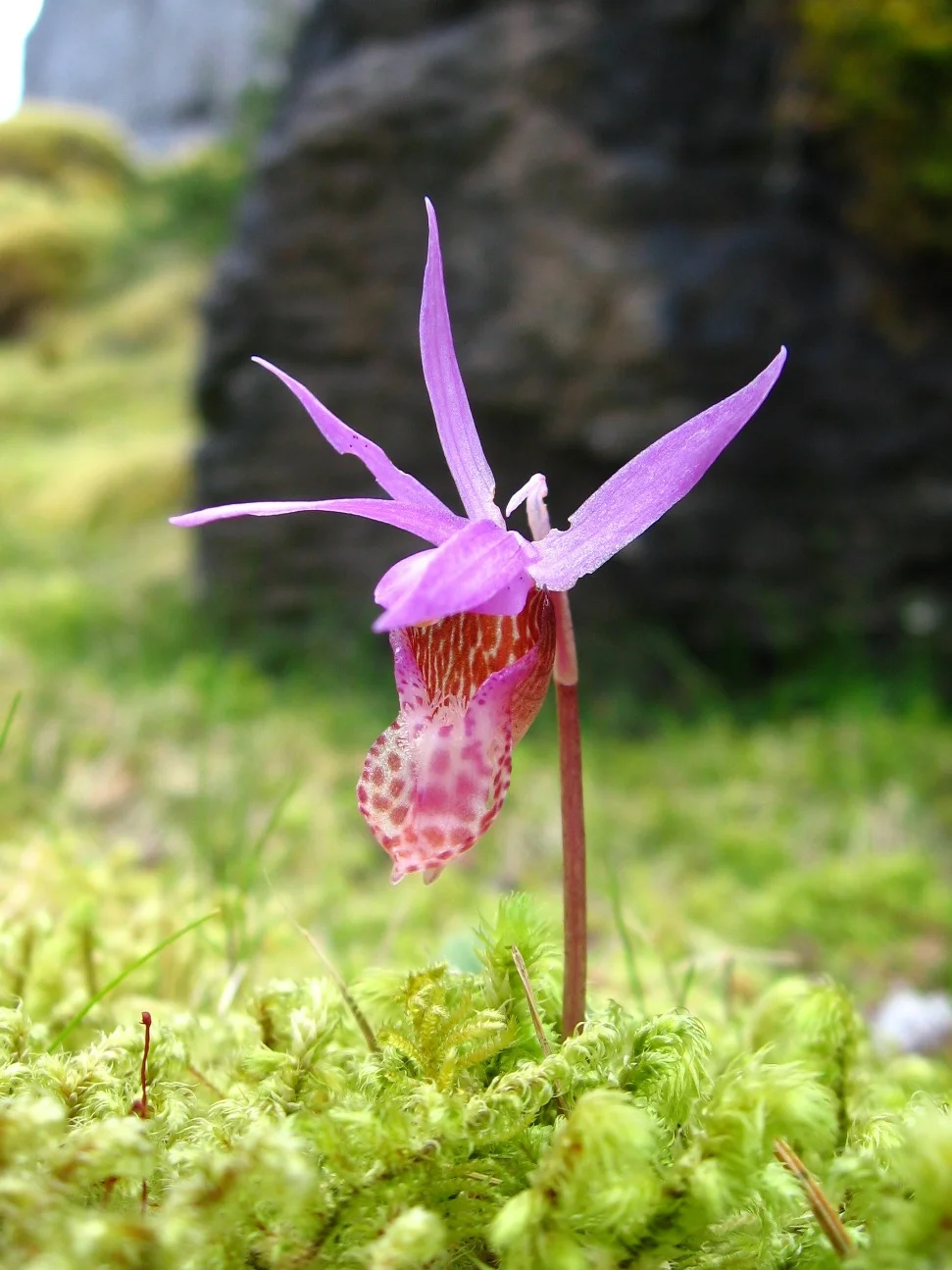
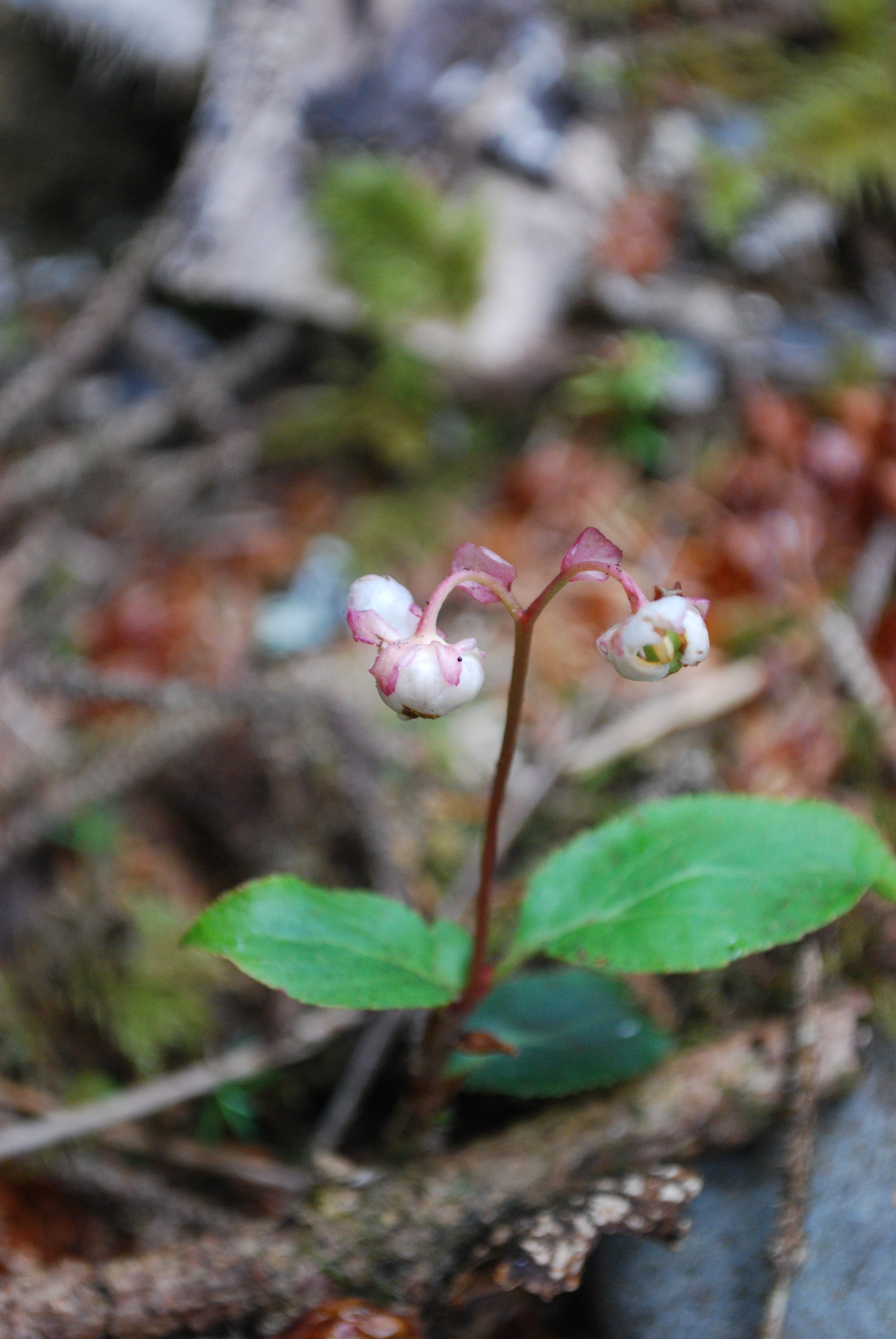
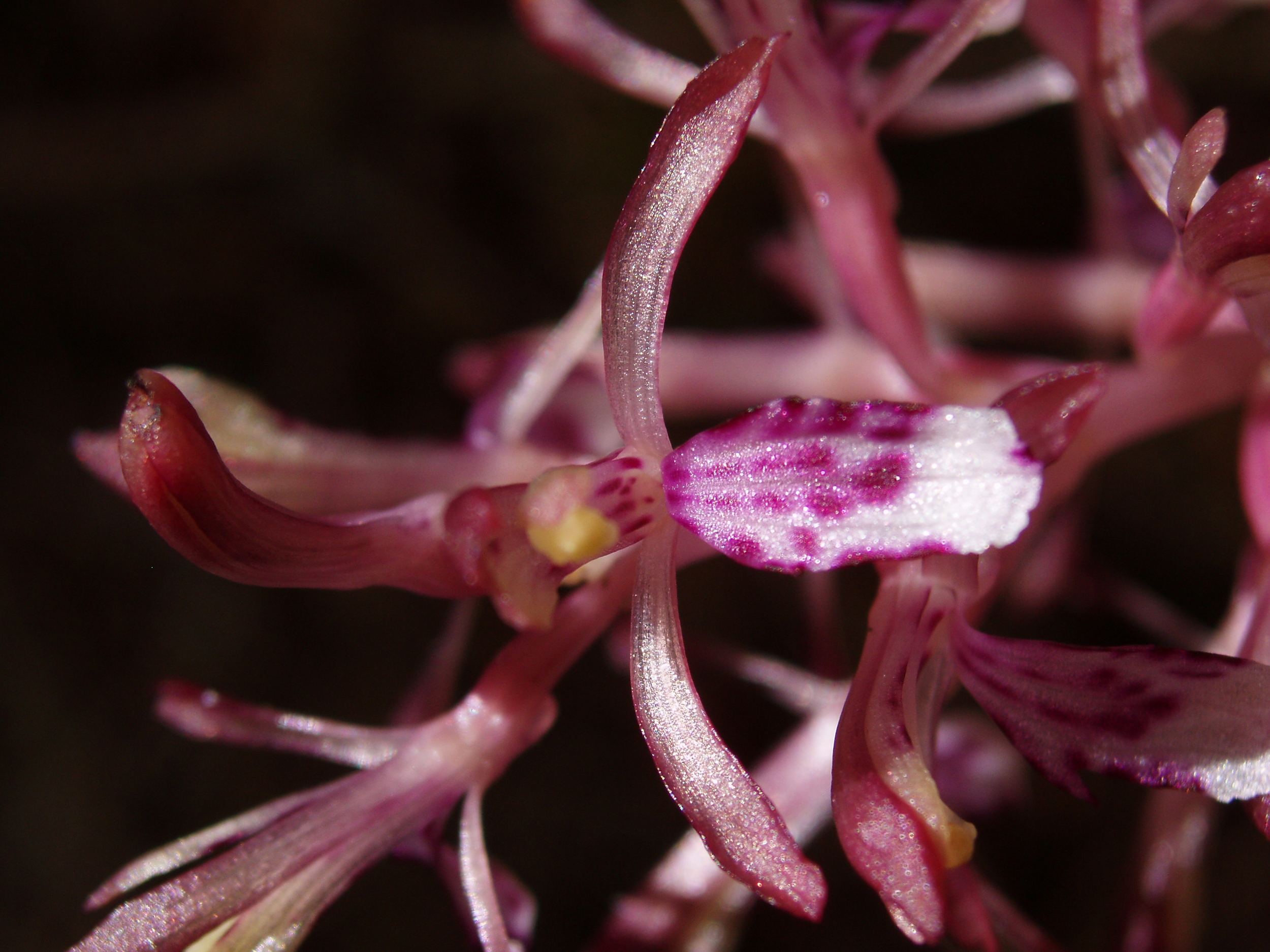
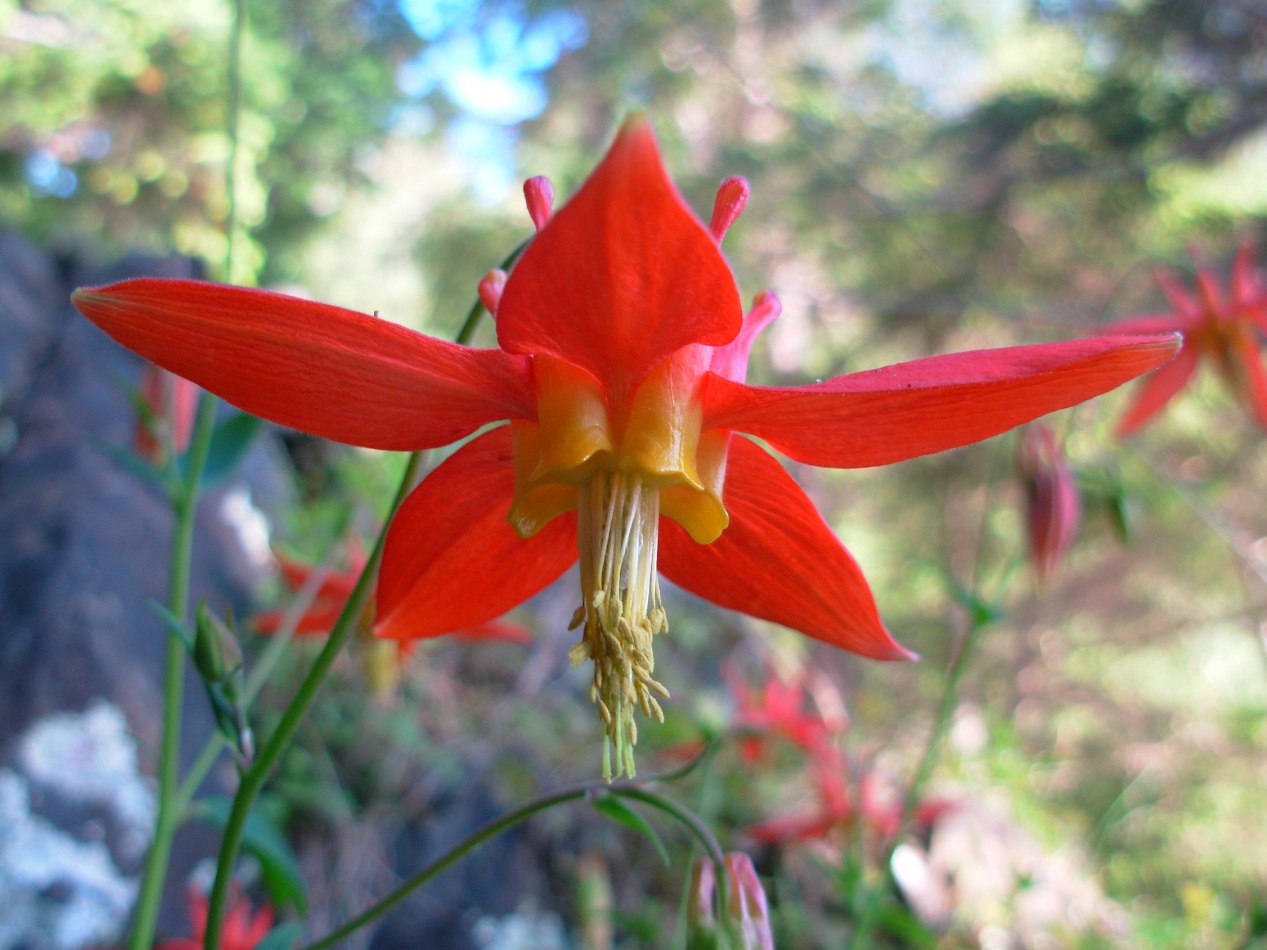
We inventory plant species on East Limestone Island, record blooming dates for flowering species and map the species and their locations. We also track rare and introduced species. We have complied a comprehensive plant checklist for the region, and we also study a number of lichen.
May |
June |
July |
| Camp set-up | Glaucous-winged Gull surveys | Camp shutdown |
| Install plastic funnels for chick montoring | Black Oystercatcher surveys** | |
| Set up Pigeon Guillemot nestbox camera systems | Monitor PIGU camera data | |
| Host students from Project Limestone and boat visitors | Birds of prey monitoring | |
| Ancient Murrelet chick work (remote camera montoring) | Check nest sites for Cassin's Aucklets and Red-breasted Sapsuckers | |
| Check nest sites for birds of prey, Cassin's Aucklets, Black Oystercatchers and Glaucous-winged Gulls | ||
Conducted in all months | ||
| Daily bird checklist | ||
| Monitor wildlife trees | ||
| Plant surveys | ||
| Conduct at-sea surveys | ||
| Marine mammal watch | ||
| Watch for squirrel and raccon activity | ||
**Last weeks of May and June are spent conducting Black Oystercatcher surveys in Gwaii Haanas. During this time we only spend one or two nights on Limestone Island, the rest is spent camping in Gwaii Haanas. Each day involves +8hours in our skiff surveying the various islands for oystercatchers and their nests.